What a Smart Kitchen Actually Is
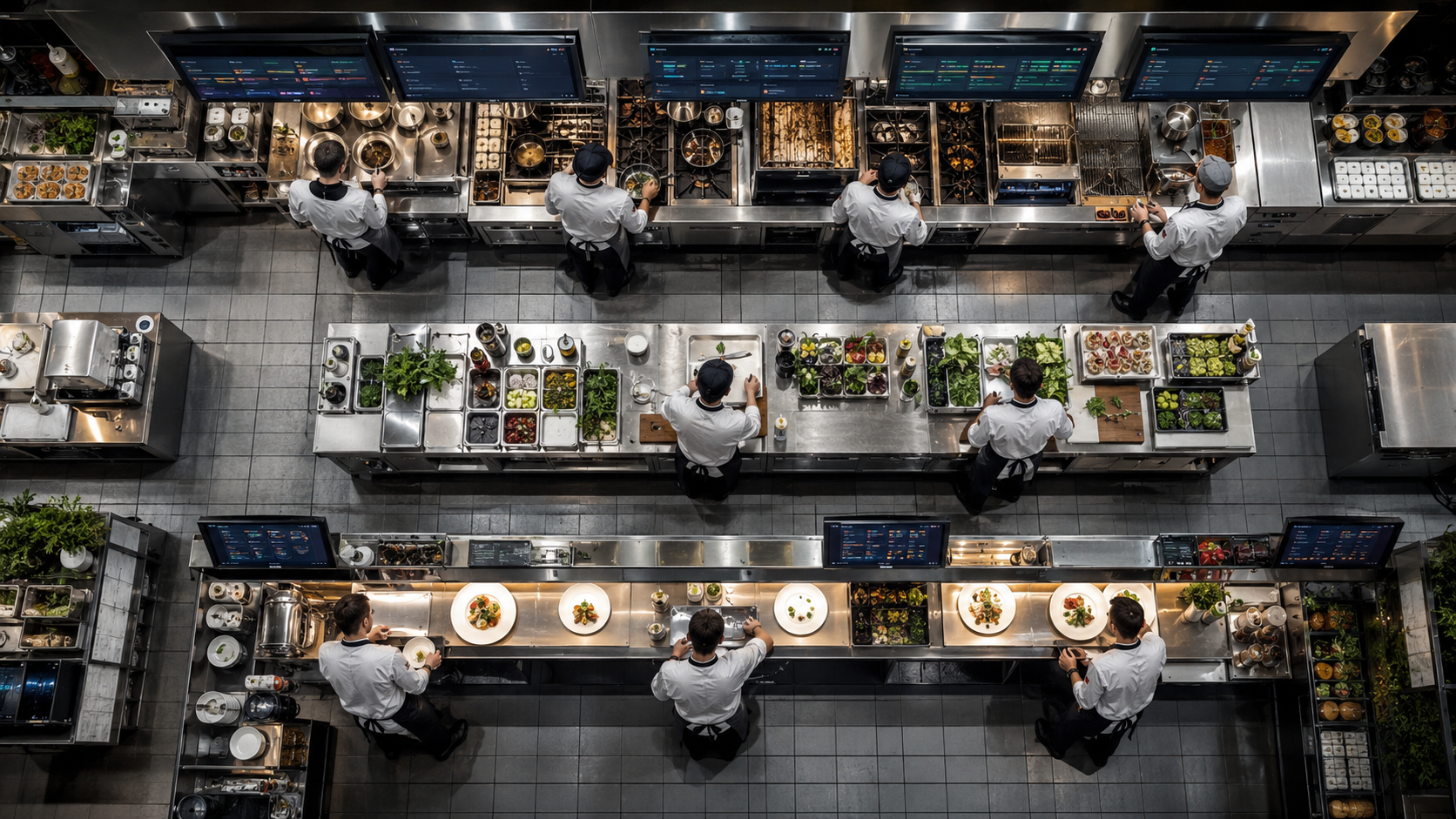 A smart kitchen is a commercial kitchen environment where equipment, ordering systems, and management tools are connected through technology, typically a combination of software platforms, IoT sensors, and integrated displays, to improve speed, consistency, and operational control.
The keyword is connected. A kitchen where the ordering system talks to the cooking station, where the inventory updates when ingredients are used, and where a manager can see the performance of every station from a single screen, that is the practical definition of a smart kitchen. It is not defined by any single piece of hardware. It is defined by how well the different parts of the kitchen share information with each other.
The distinction matters because many restaurant owners assume smart kitchen technology requires a full-scale rebuild. It does not. Most modern smart kitchen systems are designed to layer onto existing operations, not replace them.
The Technology Behind It
Smart kitchen systems are not a single product. They are an ecosystem of tools that work better together than apart. Here are the core components that appear most consistently in well-run restaurant kitchen systems today.
Kitchen Display System (KDS)
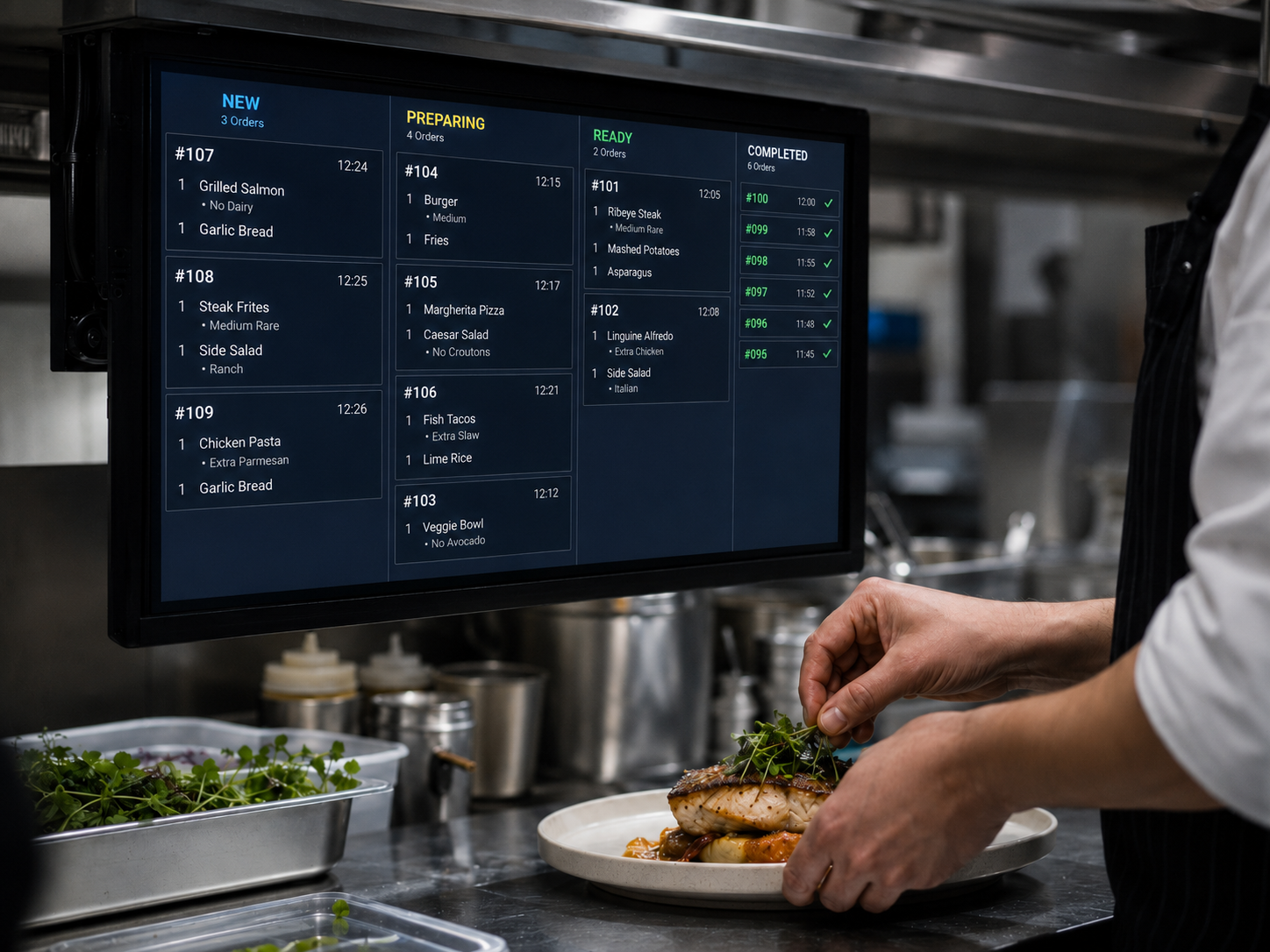
The kitchen display system is the most visible piece of smart kitchen infrastructure. It replaces paper tickets with real-time digital screens at each station, showing what needs to be prepared, in what order, and how long each ticket has been open. KDS systems reduce miscommunication and give chefs clear visual priority cues, which are particularly valuable when multiple orders arrive simultaneously.
IoT-Connected Equipment
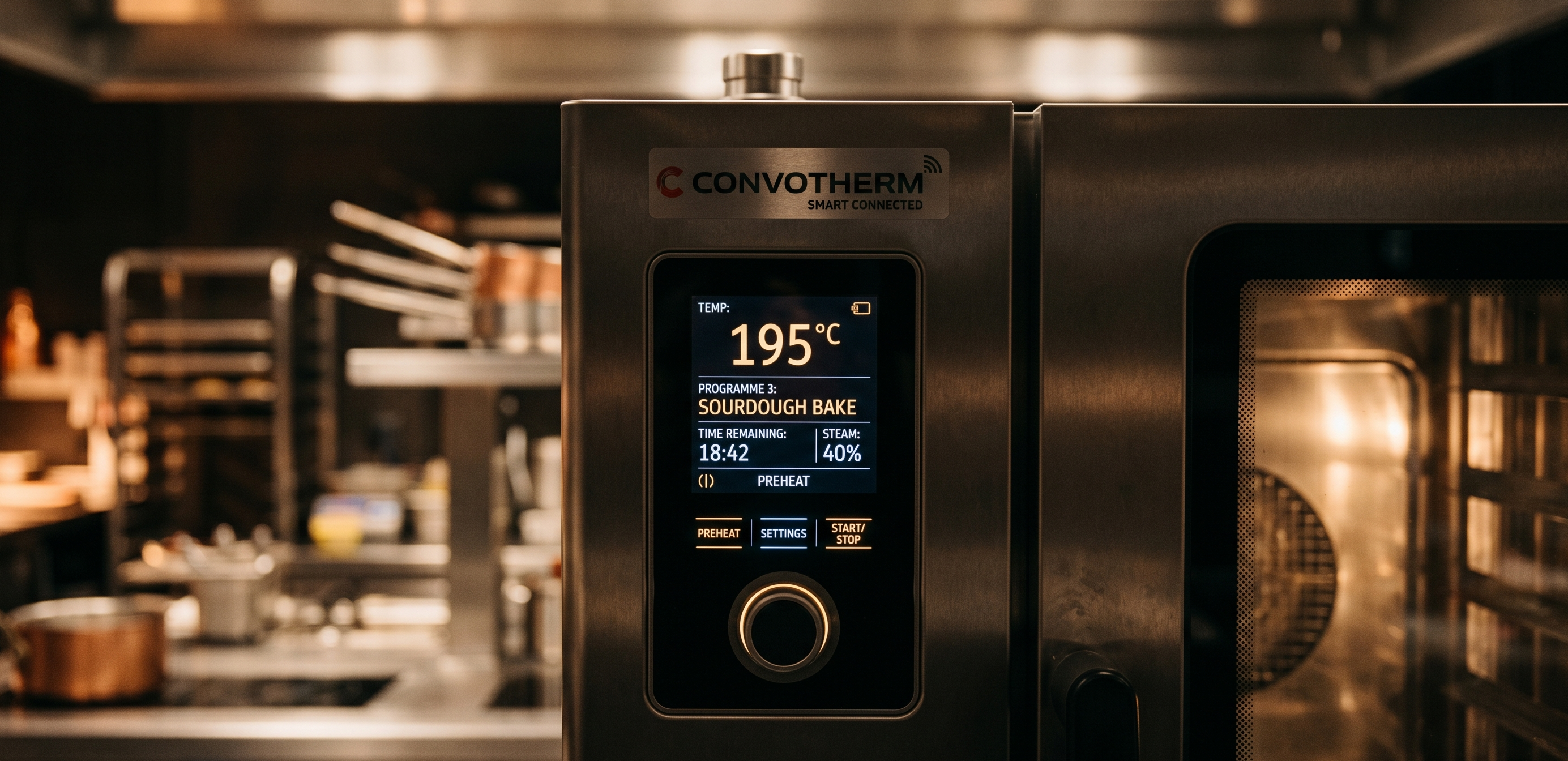
Internet of Things technology enables kitchen equipment to automatically communicate data. A smart oven can monitor internal temperatures and adjust cooking times accordingly. A connected refrigerator can send an alert if storage temperatures rise above safe levels. Smart fryers can regulate oil temperature and flag when oil needs changing. These are not luxury features; they are operational safeguards that protect food safety and reduce maintenance surprises.
AI-Powered Demand Forecasting
One of the more quietly transformative elements of modern smart kitchen technology is demand forecasting. By analysing historical sales data, weather patterns, local events, and seasonal trends, AI tools can predict with reasonable accuracy how many covers a kitchen will handle on a given day. That changes how restaurants order stock, schedule staff, and prep mise en place, reducing waste at both ends of the service.
High-Tech Kitchen Appliances
The hardware side of a smart kitchen has expanded rapidly. High-tech kitchen appliances from brands building connected ecosystems now include smart combi ovens that adjust humidity and temperature based on the dish being cooked, blast chillers that log temperature cycles for compliance records, and automated beverage systems that maintain consistency across hundreds of daily orders. The common thread is data, every interaction produces information that can be used to improve the next one.
Is a Smart Kitchen Right for Every Restaurant?
The honest answer is: it depends on where you start and what problem you are trying to solve.
A large quick-service chain with high ticket volume and multiple stations will see different returns than a 30-cover neighbourhood restaurant. But the principle holds across both: any kitchen that currently relies on verbal communication, manual stock tracking, or paper-based order management has something to gain from introducing even one layer of connected technology.
The practical starting point for most independent restaurants is not a full smart kitchen overhaul. It is identifying the single biggest operational failure in their current kitchen, whether that is miscommunication, stock waste, inconsistent output, or slow ticket times- and finding the specific system that addresses it. That one improvement, done well, tends to reveal the next one.
Smart kitchen apps and modular systems have made this incremental approach viable. You do not need to commit to an ecosystem upfront. You need to commit to the problem you are solving first.
How Call The Service Fits Into a Smarter Operation
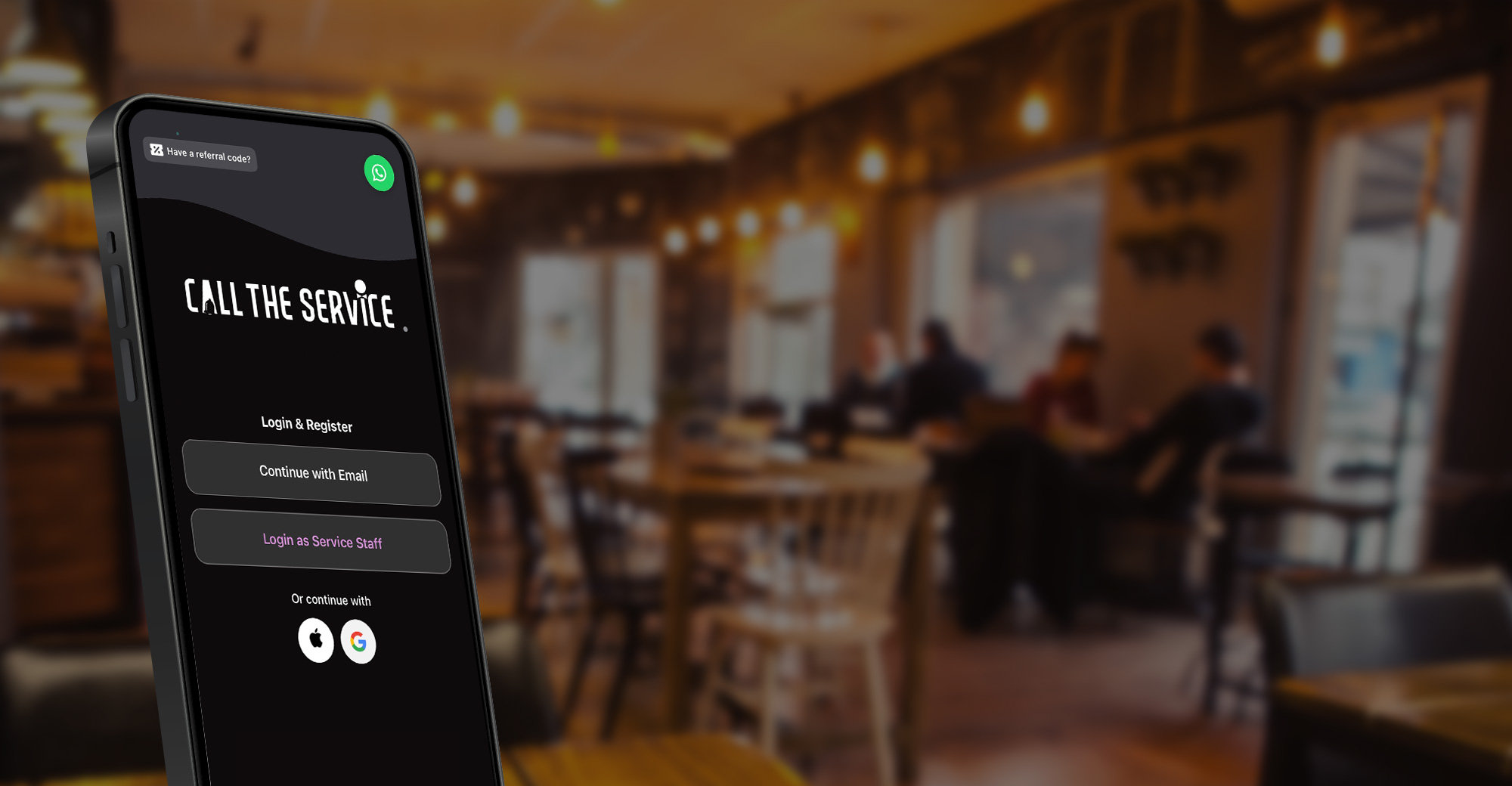
A smart kitchen solves the back-of-house half of the equation. But a restaurant’s efficiency does not stop at the pass. The same logic that drives smart kitchen technology, remove friction, improve communication, make data visible, applies equally to the floor.
Call The Service is a QR-based platform that brings that same thinking to the table management and guest service. Guests scan a QR code at their table and can call a waiter, request an item, or ask for the bill directly from their phone, no app download required. Staff receive instant notifications routed to their specific zone, so the right person responds every time. Managers get a live view of the entire floor, along with service statistics tracking response times, call volume, and peak periods.
The result is a front-of-house operation that runs with the same clarity and control that a smart kitchen brings to the back. Orders move faster. Tables turn over sooner. Staff work calmer shifts. And the data collected across every service builds into a picture of how the whole restaurant actually performs, not how you assume it does.
At €99 per year, with a free plan available, Call The Service is built on the same principle as the best smart kitchen tools: it should cost less than the problem it solves, and it should work from day one without a complicated setup.
The Bigger Picture

The smart kitchen is not the end goal. It is part of a broader shift in how restaurants think about operations, one that connects the kitchen to the floor, the floor to the guest, and the whole operation to a set of real, trackable numbers.
Restaurants that are winning in 2026 are not necessarily the ones with the best food or the most visible marketing. They are the ones who have built operational systems that can hold up under pressure, where the quality delivered on a quiet Wednesday is the same quality delivered on a packed Saturday. Smart kitchen technology is one of the most reliable ways to close that gap.
The industry has spent decades relying on the skill and resilience of the people inside the kitchen to compensate for system failures. Smart kitchen systems do not replace those people. They give them a better environment to do what they are actually there for.