
Running a profitable restaurant in 2026 is harder than it looks. Labour costs are up. Ingredient prices keep climbing. And guests expect more than ever, faster service, digital experiences, and a seamless visit from the moment they walk in to the moment they pay.
The good news is that most restaurants are not losing revenue because demand is low. They are losing it because of friction, idle tables, slow service cycles, missed orders, and workflows that have not kept up with how modern guests behave.
This guide covers 13 practical strategies to increase restaurant revenue without raising menu prices or expanding your team. Each one is actionable, low-cost, and built on what actually works in real hospitality businesses today.
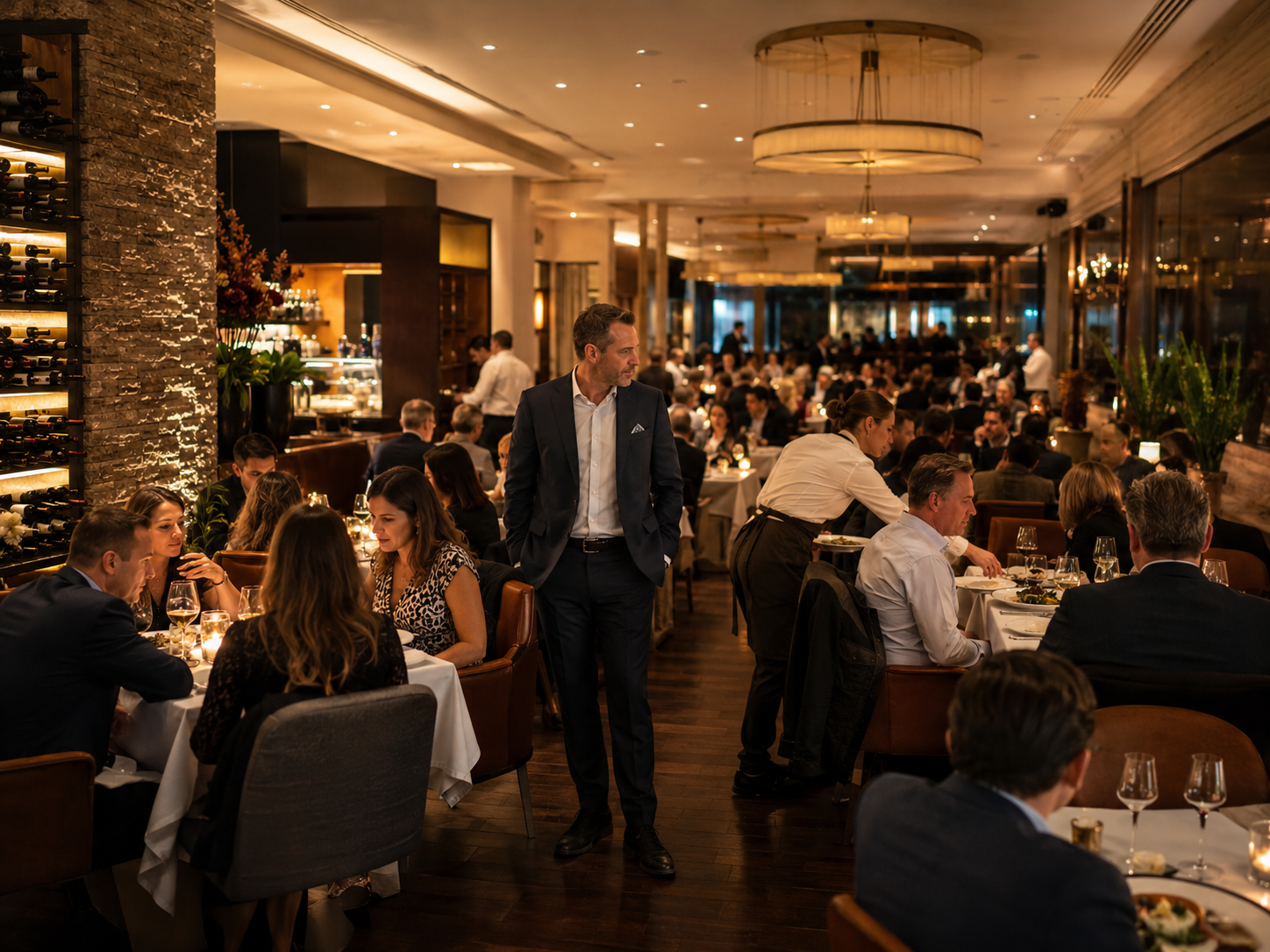
Where Restaurant Revenue Actually Gets Lost?
Research consistently shows that restaurants lose a significant share of potential revenue not in the kitchen, but on the floor, through slow table turnovers, missed upsell moments, and service gaps that frustrate guests before they can become loyal ones. The strategies below address each of these pressure points directly, giving you a practical roadmap to more revenue from the capacity you already have.
1. Cut Idle Time Between Table Covers
Every minute a table sits empty between guests is lost revenue. If your average cover takes 60 minutes and you have 10 minutes of idle time between each, you are losing more than 15% of your potential capacity per shift.
The fix starts with visibility. When staff can see in real time which tables are done, which need clearing, and which are ready to seat, turnaround happens faster, without anyone having to walk the floor to check.
2. Speed Up the Service Cycle
Guests who wait too long to order, receive their food, or pay are less likely to return. More importantly, slow service cycles mean fewer covers per shift. Restaurants that cut average service time by even 10 minutes per table dramatically increase their capacity without adding a single seat.
Digital service tools, where guests can signal a waiter, request items, or ask for the bill directly from their table, remove the biggest bottlenecks in a standard service cycle.
3. Switch to a Digital Menu
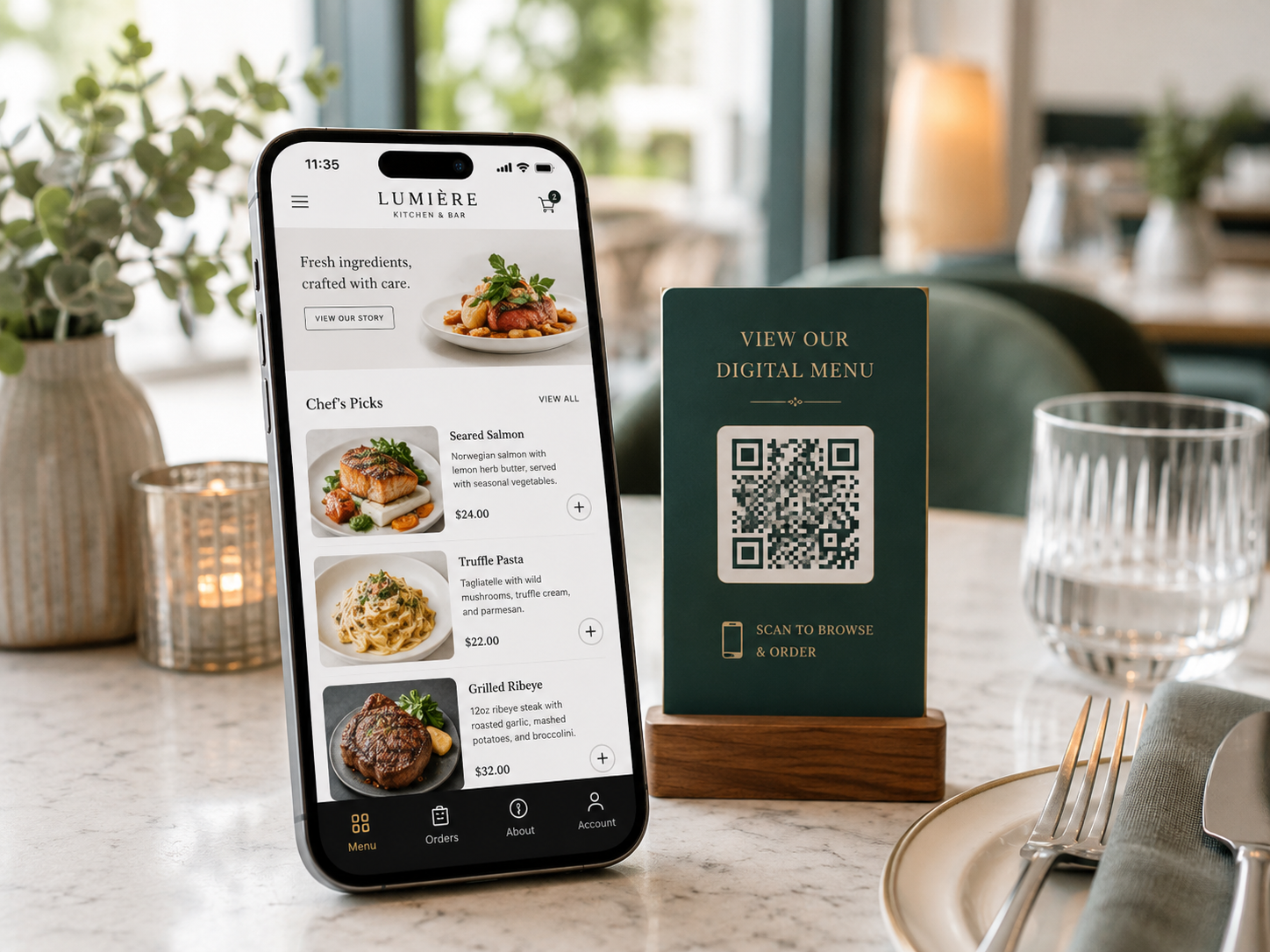
Printed menus have a hidden cost most owners underestimate: reprinting every time a price changes, an item sells out, or a new seasonal dish is added. A digital menu eliminates that cost and lets you update in seconds from a phone.
Beyond cost savings, a digital menu improves the ordering experience, guests can see photos, read ingredients and allergen information, and browse at their own pace. That leads to more informed and often higher-value orders.
4. Use a Multilingual Menu to Serve International Guests
In tourist-heavy areas, a guest who cannot read the menu orders less confidently, and often less. A menu that automatically displays in the guest’s language removes that friction entirely, improving both the guest experience and average order value.
Automatic translation across 100+ languages is now available in modern digital menu platforms, with no manual work required from the restaurant.
5. Optimise Your Upsell Moments
The moments just after a guest is seated and just after their main course are the highest-converting windows for upselling starters, desserts, and drinks. Train staff to suggest confidently during these moments, and use menu design (digital or printed) to highlight high-margin items visually.
6. Reduce Staff Stress to Improve Service Quality
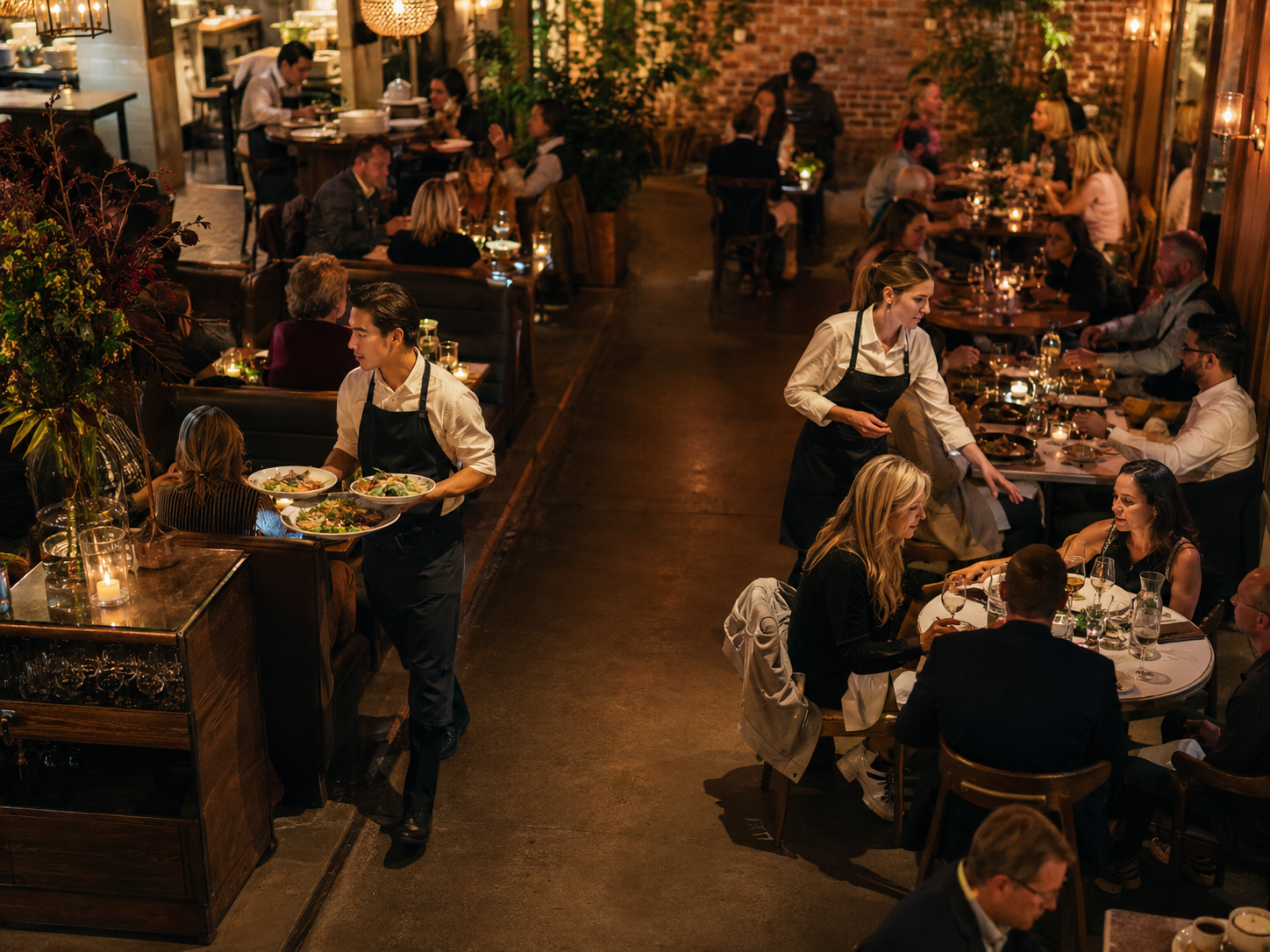
Stressed staff make more mistakes. Mistakes cost money in remakes, refunds, and negative reviews. One of the most overlooked ways to increase restaurant revenue is simply giving your team a clearer, calmer workflow.
Area-based staff routing, where each server only receives calls from their assigned zone, prevents the confusion of multiple servers rushing to one table while another is ignored. Less chaos means better service, higher tips, and stronger guest satisfaction scores.
7. Collect and Act on Guest Feedback
Restaurants that monitor guest feedback in real time can identify problems before they become one-star reviews. A simple post-service rating prompt, delivered through a QR code or in-app prompt, gives you actionable data without requiring guests to write anything.
Even a one-point improvement in average rating on Google or TripAdvisor has been shown to increase reservation volume meaningfully. Feedback is free revenue intelligence.
8. Reduce Walk-Outs at Payment
Guests who cannot get a server’s attention to pay sometimes leave without paying, and almost always leave frustrated. Contactless, in-app payment options let guests settle their bill the moment they are ready, removing one of the most common friction points at the end of a meal.
Faster payment also frees the table sooner, directly contributing to better table turnover.
9. Use Data to Identify Your Revenue Leaks
Without data, you are managing on instinct. With it, you can see exactly which hours are underperforming, which tables have the longest idle times, and which service periods have the slowest response rates.
Built-in service statistics, tracking call volume, response times, and peak periods, give owners and managers the visibility to make better scheduling and layout decisions. Every improvement is then measurable.
10. Promote Specials and High-Margin Items Actively
High-margin dishes and drinks are only profitable if guests order them. Use digital menu banners, staff briefings, and table prompts to highlight specials before and during service. A single additional side or dessert ordered per table adds up to significant revenue over a full week.
11. Manage Staff Allocation More Efficiently
Over-staffing costs money. Under-staffing costs covers. The sweet spot is knowing, based on real service data, exactly how many staff you need at each hour of each day. Restaurants that use historical performance data to plan shifts consistently outperform those that rely on guesswork.
12. Strengthen Your Online Presence
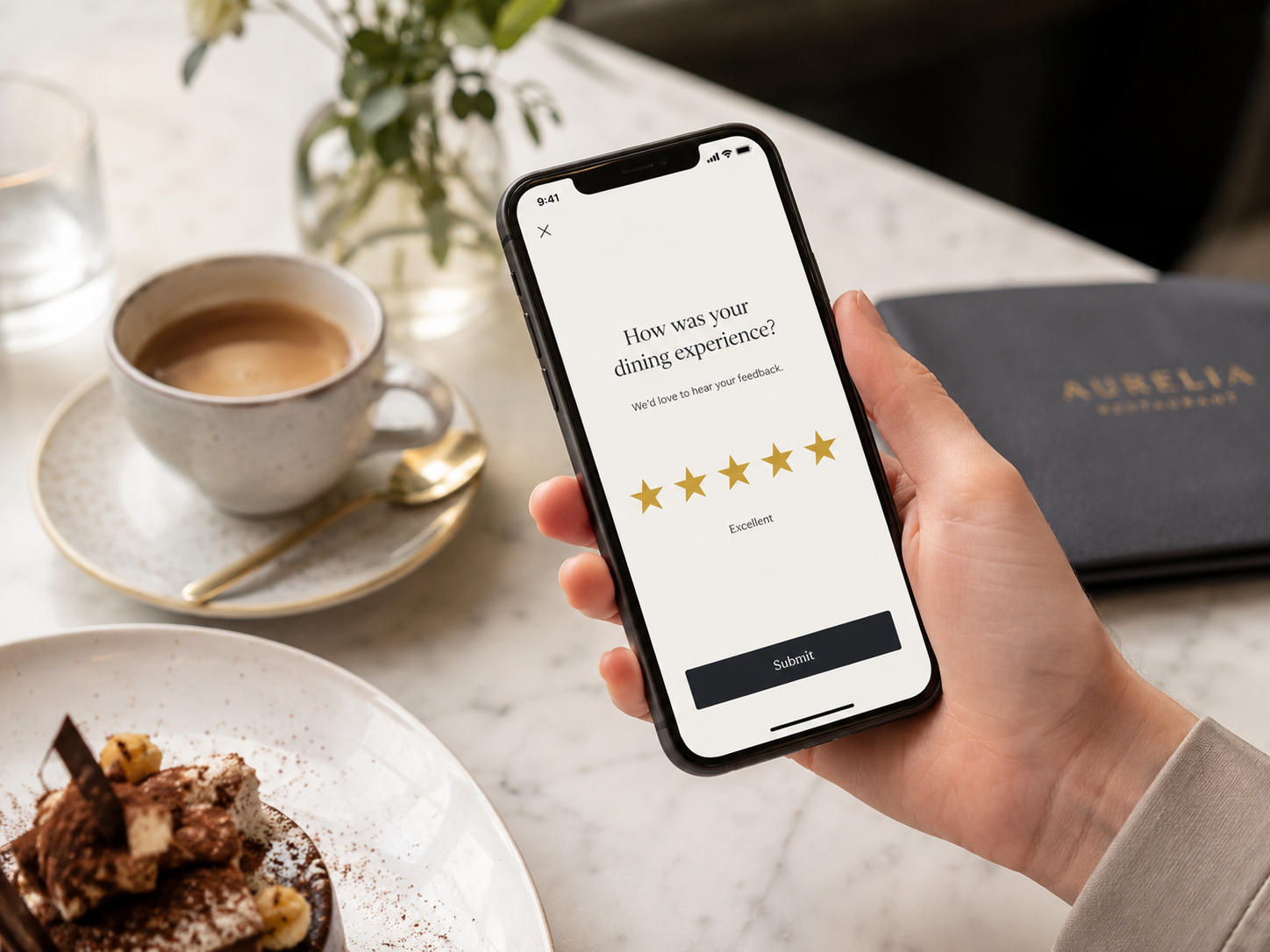
A significant share of diners choose where to eat based on what they find online, Google listings, reviews, social media, and your website. Restaurants with updated Google profiles, recent photos, and responded-to reviews consistently attract more bookings than those without.
This costs nothing but time, and the return compounds over months.
13. Offer a Modern Guest Experience, Without the Complexity
Guests who feel that a restaurant is modern, attentive, and frictionless are more likely to return and more likely to recommend. You do not need a full POS overhaul or expensive hardware to achieve this.
A QR-based system that lets guests call a waiter, view a digital menu, and leave feedback from their own phone, with no app download required, delivers that experience at a fraction of the cost of traditional systems.
How Call The Service Helps You Increase Restaurant Revenue
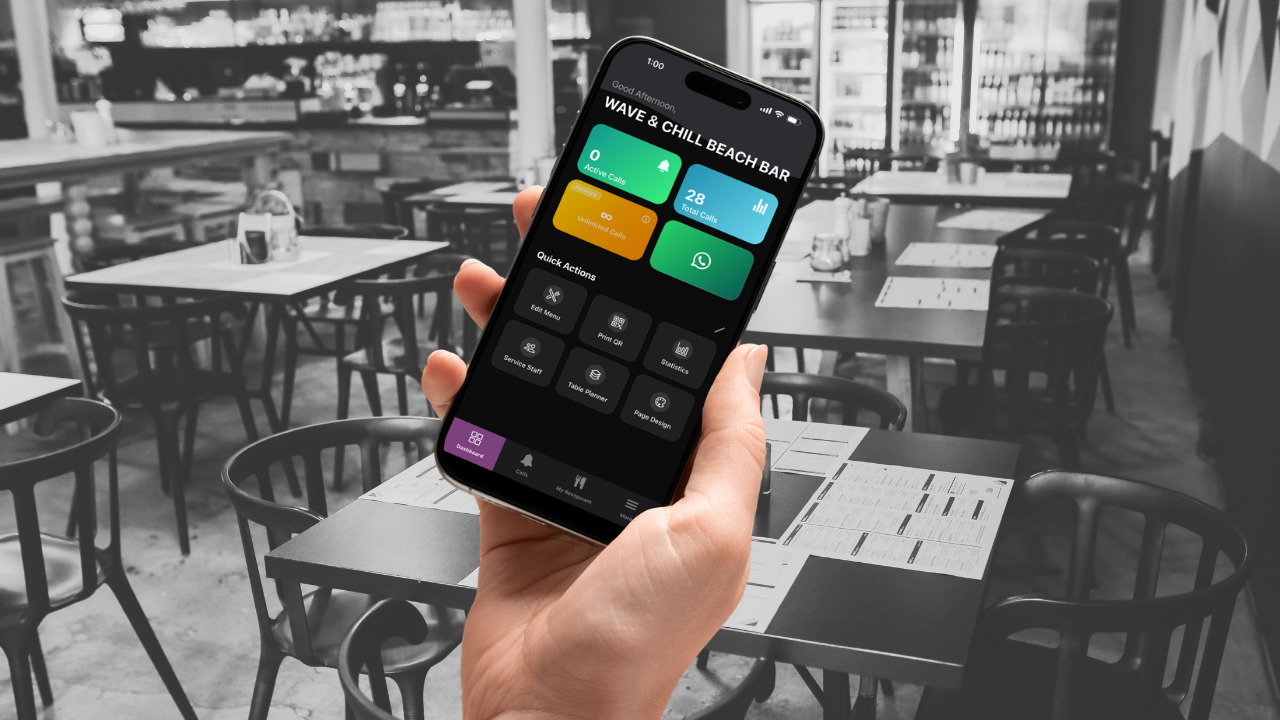
Call The Service is built specifically for the challenges outlined in this guide. It is a QR-based platform that gives restaurants live table management, zone-based staff routing, a multilingual digital menu, in-app guest feedback, and real-time service statistics — all from a single system.
There is no new hardware to buy. Guests do not need to download an app. Setup takes minutes. And the free plan is available with no credit card required.
Here is what restaurants using Call The Service get:
- Live table status — see which tables need service, are waiting to pay, or are ready to turn over
- Area-based staff routing — the right waiter gets the call, every time
- Multilingual digital menu — automatic translation in 100+ languages, updated instantly
- Guest call feature — guests signal service needs from their own phone, no waving required
- Guest rating system — collect feedback after every service call
- Service statistics dashboard — track response times, peak hours, and call volume