The concept sounds simple, and it is. A service call app allows guests to alert their waiter directly from the table with a single tap, no waving required, no eye contact needed, no frustration involved. But the impact on how a restaurant operates goes far deeper than a convenience feature for guests. Done right, a service call app changes the entire rhythm of a service, and that change shows up directly on the bottom line.
This guide explains what a service call app is, how it works, what to look for in one, and why the restaurants deploying them in 2026 are consistently outperforming those that are not.
What Is a Service Call App?
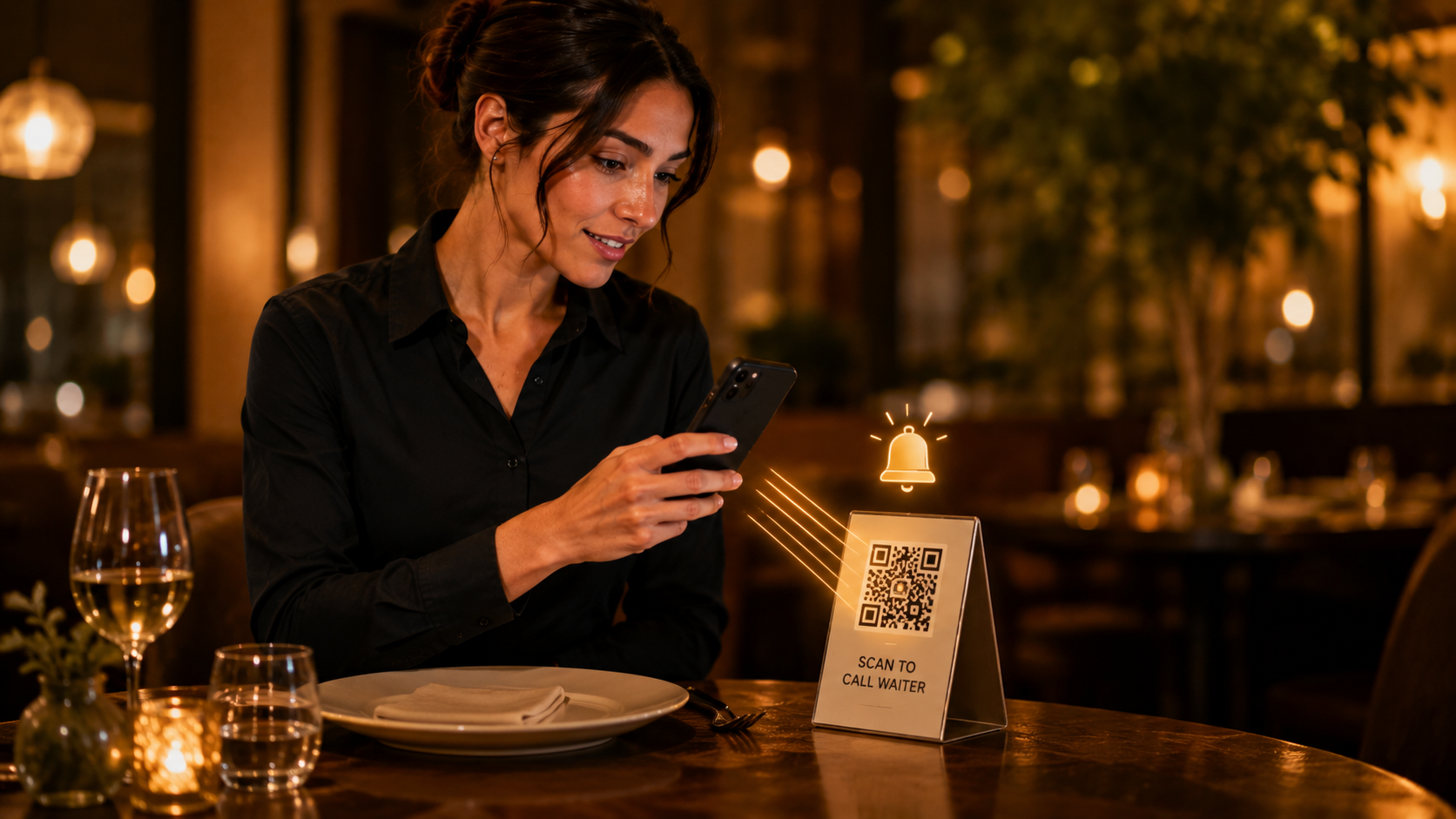
A service call app is a digital tool that creates a direct, instant communication channel between a seated guest and the restaurant’s service staff. Instead of relying on eye contact, hand signals, or hoping a waiter passes by at the right moment, guests simply tap a button, usually accessed by scanning a QR code at their table, and the relevant server receives an immediate notification on their device.
The notification tells the server exactly which table needs attention, what kind of request has been made (waiter call, bill request, specific item), and how long ago the request was sent. The server responds, the request is logged, and the interaction is complete. No shouting across a busy floor. No missed signals. No frustrated guests.
Modern service call apps go beyond the basic call function. The best ones integrate table management, staff zone routing, digital menus, guest feedback, and service statistics into a single platform, turning a simple communication tool into a full operational layer for the restaurant floor.
The Problem It Actually Solves
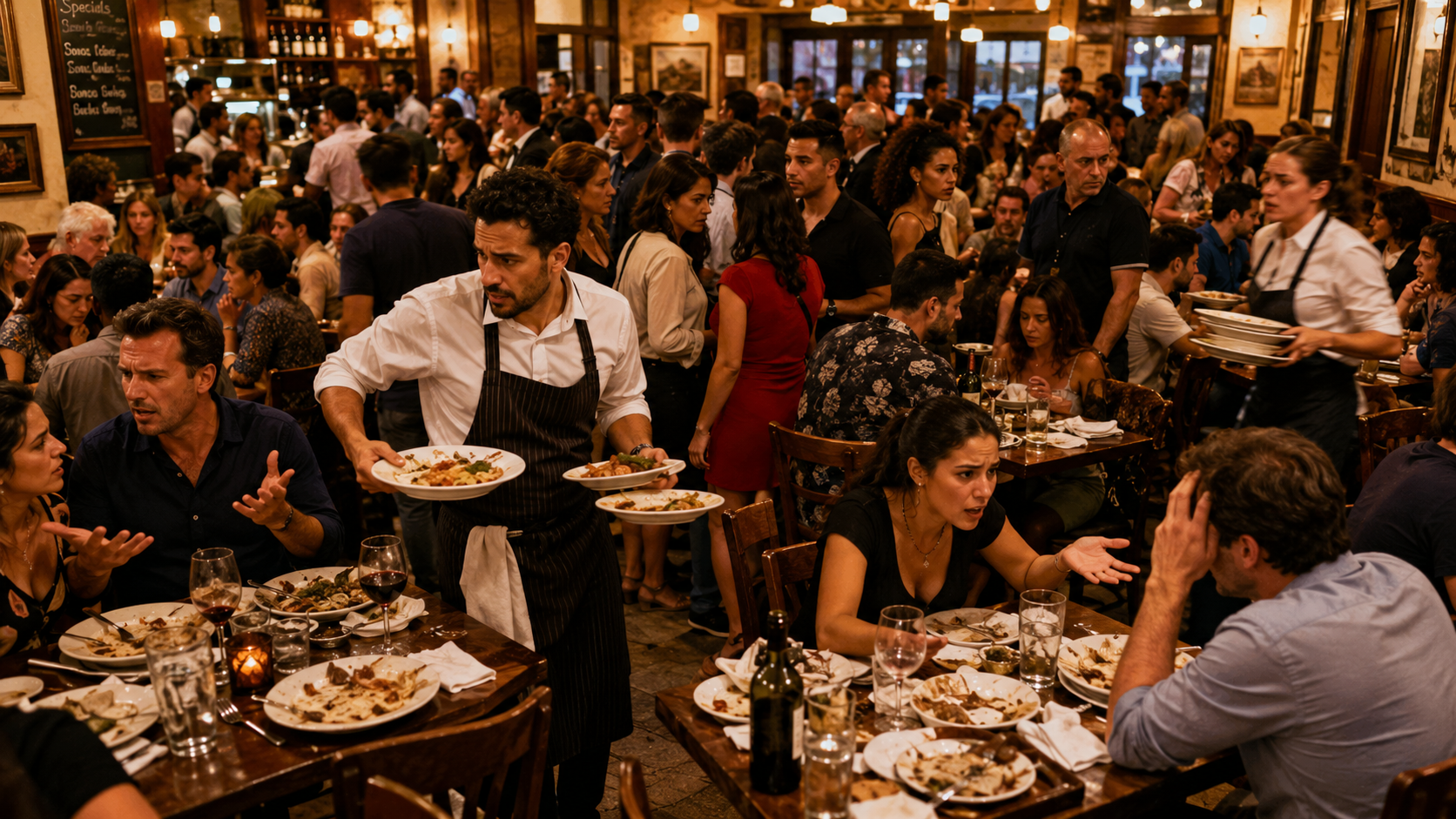
To understand why a service call app matters, it helps to understand the specific failure it addresses. In a traditional restaurant service, the communication between guest and staff is entirely passive, the guest signals, the server notices (or does not), and the response time depends entirely on where the server happens to be looking at that moment.
This creates a predictable set of problems that play out every single service:
- Guests feel ignored during peak periods when staff are stretched thin across multiple tables.
- Servers spend significant time doing visual sweeps of the floor looking for guests who need something, rather than actually serving.
- Multiple servers respond to the same table while another table gets no attention, because there is no routing system.
- Guests who need the bill wait longer than they should, keeping the table occupied and reducing turnover.
- The gap between what guests experience and what staff intend is never visible to management, so the same problems repeat every shift.
A service call app replaces passive, visual communication with an active, instant digital signal. The result is that staff spend less time searching for work and more time doing it, and guests spend less time waiting and more time enjoying.
The Business Case: What It Does to Your Numbers
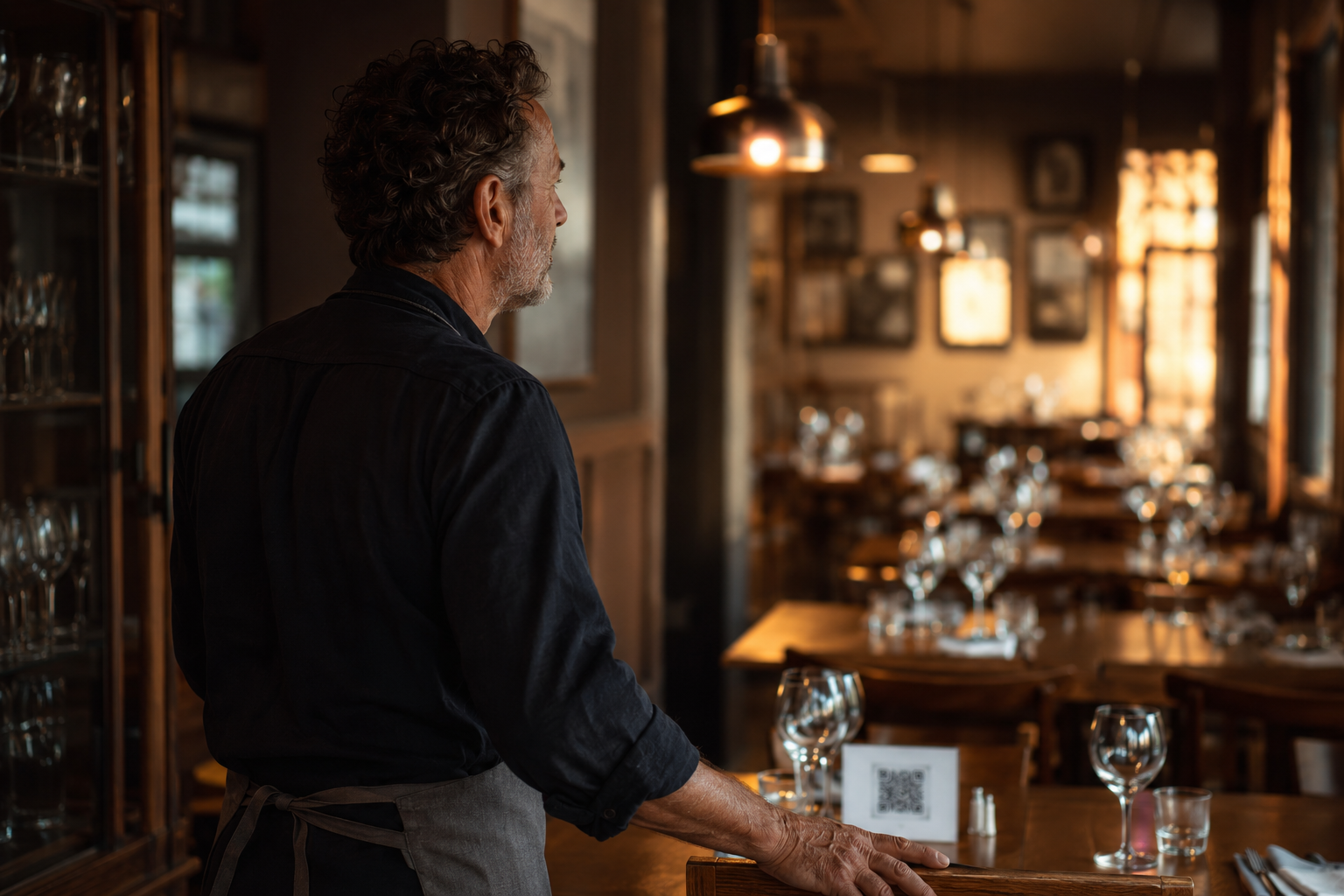
A service call app is not just an operational nicety, it has a direct and measurable impact on the numbers that matter most to a restaurant owner.
Faster table turnover
When guests can request the bill the moment they are ready, payment happens faster. Faster payment means the table clears sooner. Across a full service with 10 or more covers, even shaving five minutes per table turnover adds meaningful capacity per shift — without adding a single seat.
Higher guest satisfaction and tips
Guests who feel attended to tip more and review better. The fastest path to a guest feeling attended to is a system that actually responds when they signal — not when a server happens to glance in their direction. Service call apps create that reliability, consistently.
More efficient staffing
With zone-based routing, each server knows exactly which tables are their responsibility and receives calls only from those tables. This eliminates the chaos of multiple servers competing for the same table, allows one server to confidently cover more ground, and reduces the stress that drives staff burnout and turnover.
Data-backed management decisions
Instead of guessing which shifts need more staff or which table areas generate the most friction, managers can look at actual data. Response time trends, peak call periods, and per-server performance metrics are all visible, turning shift planning from an art into a science.
What to Look for in a Service Call App
Not all service call apps are built equally. Here is what separates a tool that genuinely changes how a restaurant operates from one that adds more complexity than it removes.
| Feature | Why It Matters |
|---|---|
| No guest app download required | Any friction in the guest experience reduces adoption. QR-only access removes the barrier entirely. |
| Zone-based staff routing | Calls go to the right server automatically. Eliminates the two-servers-one-table problem. |
| Live table status dashboard | Managers see which tables are active, waiting, or idle — in real time, without walking the floor. |
| Call cooldown control | Prevents duplicate requests from the same table. Keeps the system clean during high-volume service. |
| Service statistics | Response times, call volume, and peak hour data — so every improvement is measurable. |
| No hardware investment | QR-based systems run on existing staff devices. No terminals, no installation, no maintenance cost. |
| Multilingual guest interface | Critical for tourist-facing venues. Guests interact in their own language without any manual setup. |
Who Benefits Most?
A service call app delivers the strongest results in specific types of venues, and being honest about that is more useful than claiming it works equally well everywhere.
- Restaurants in tourist areas— where guests speak different languages and communication gaps are a daily problem.
- Cafés and casual dining venues— where one or two staff members cover the entire floor and cannot maintain visual contact with every table.
- Beach bars and outdoor venues— where noise and distance make traditional service signalling genuinely difficult.
- High-turnover lunch spots— where speed is the priority and every minute of idle table time is a direct revenue loss.
- Any venue operating understaffed— which, in 2026, describes the majority of the hospitality industry.
How Call The Service Does It
Call The Service is a QR-based service call app built specifically for the realities of modern hospitality. Guests scan a QR code at their table, access a clean digital interface, and call their waiter, request items, or ask for the bill, all from their own phone, with no app download required.
On the restaurant side, the platform includes everything a service call app should have, and then some. Zone-based staff routing ensures the right server receives every call. A live table status dashboard gives managers full floor visibility at a glance. Built-in service statistics track response times, call volume, and peak periods automatically. And a multilingual digital menu means international guests experience the same smooth service as locals.
The pricing reflects the mission. At €99 per year, with a free plan available, Call The Service is built to help restaurants operate better, not to extract a commission from every order they serve.
- Instant guest-to-waiter calling via QR code, no app needed
- Area-based call routing to the correct staff member every time
- Live table status and floor management dashboard
- Multilingual digital menu with 100+ language support
- Guest rating system after every service interaction
- Service statistics, response times, peak hours, call volume
- Free plan available, no credit card required