
Solo dining is no longer an unusual request squeezed between larger bookings. It is a routine choice for travelers, hybrid workers, regulars, and guests who enjoy restaurants on their own schedule.
OpenTable reported that solo dining rose 10% year over year in 2024. Toast later found that single-diner reservations increased 22% in the third quarter of 2025. The opportunity belongs to restaurants prepared to rethink service for one. A solo guest notices different things. Silence during a wait feels longer. Catching a server’s attention can feel exposed. A sharing-focused menu may seem inaccessible. The solution is a calm, responsive experience, not a gimmicky “lonely diner” promotion.
The Business Case Inside a Party of One
Headcount alone does not determine a table’s value. One guest may fill an unused counter seat, visit between peak periods, and return frequently because no scheduling with other people is required.
OpenTable’s consumer research found that 52% of surveyed US consumers planned to dine alone. Parties of one also spent 48% more per person during the period studied.
Results will vary by restaurant, but the segment deserves measurement rather than assumptions.
The most useful operational questions include:
- When do one-person visits occur?
- Which seats do these guests prefer?
- How long do they stay?
- What do they order, add, and skip?
- How quickly does the team respond when they need help?
- How often do they return?
Four Moments that Shape the Solo Dining Experience
1. Arrival: welcome the guest without spotlighting them
Small phrases can make a person feel conspicuous. “Just one?” makes the booking sound incomplete.
Instead, try:
“Welcome. Would you prefer a table or the counter?”
Allow one-person reservations whenever capacity permits. A reservation selector that begins at two suggests solo diners are not expected.
Treat one-person bookings as normal. Remove spare place settings and avoid placing the guest beside a service station when comfortable alternatives are available. The first minute should establish a sense of belonging.
2. Seating: offer choice instead of automatic bar placement
Counter seats are useful, but some guests prefer a table, need accessible seating, or simply want more room. Offer genuine choices instead of automatically assigning the least desirable seat.
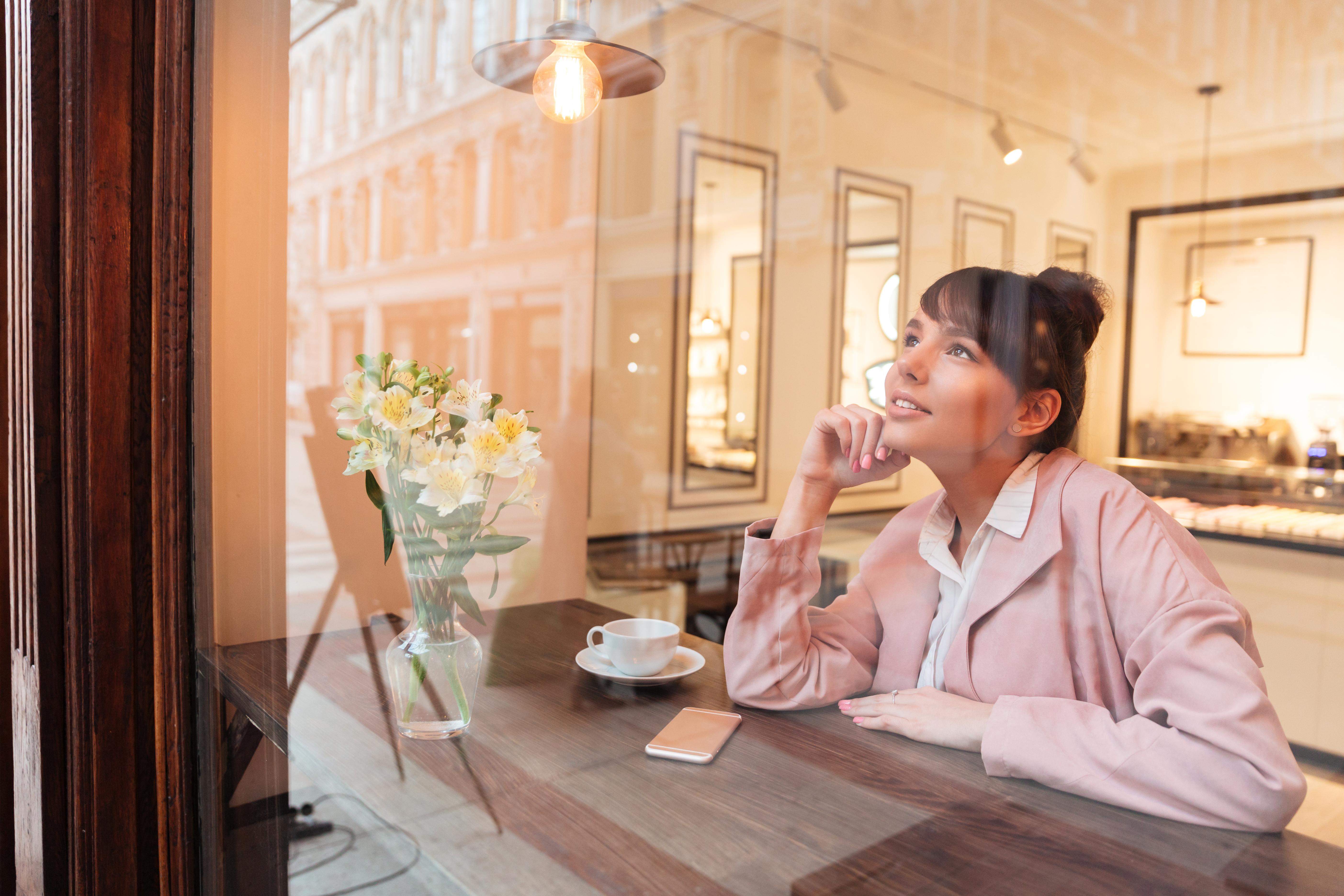
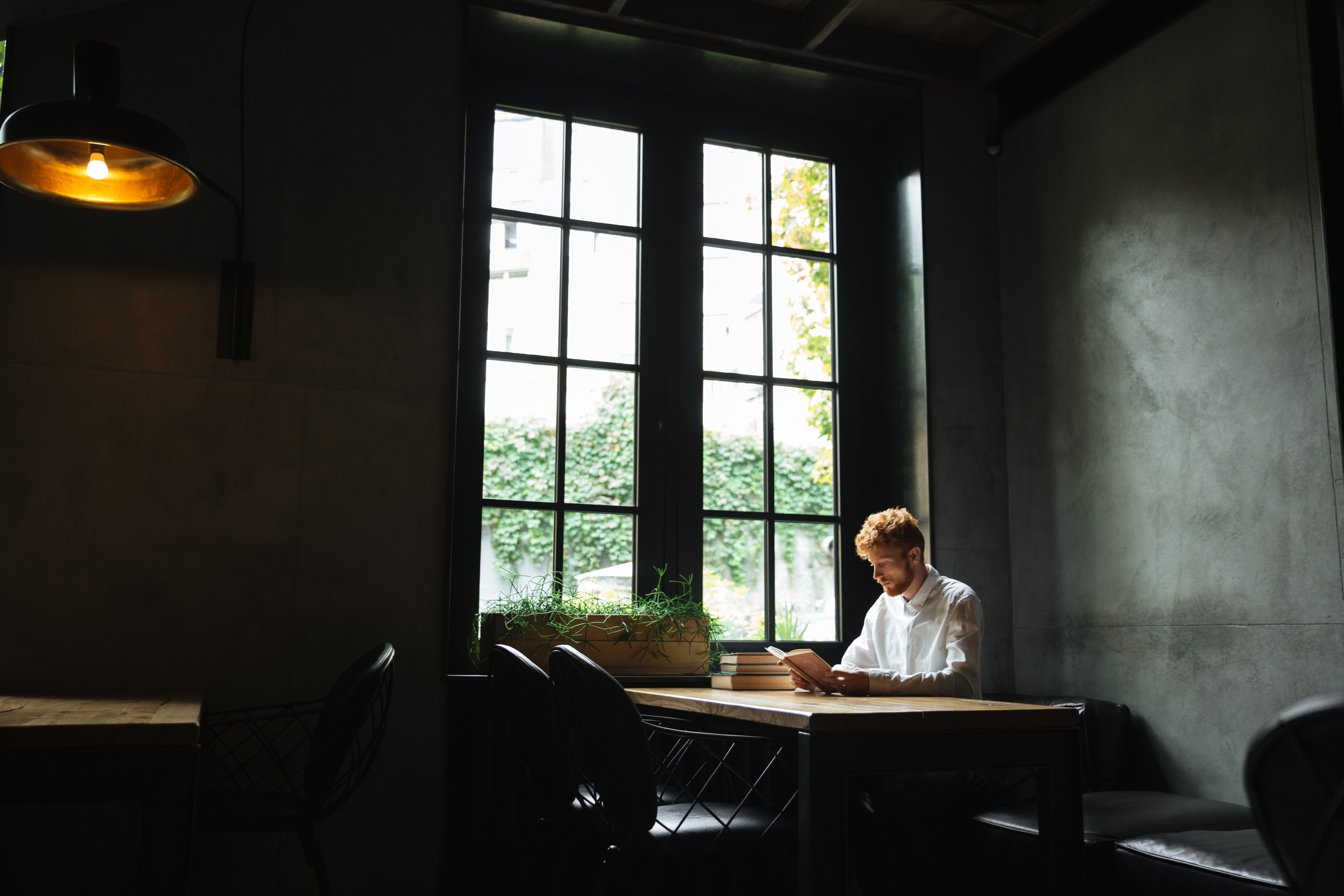
Movable two-tops, window ledges, counters, and well-spaced communal tables can support different preferences. A counter may suit someone at lunch, while the same guest may prefer a quiet table at dinner.
The principle is simple: optimize the room without making the customer feel optimized.
3. Ordering: make the whole menu feel available
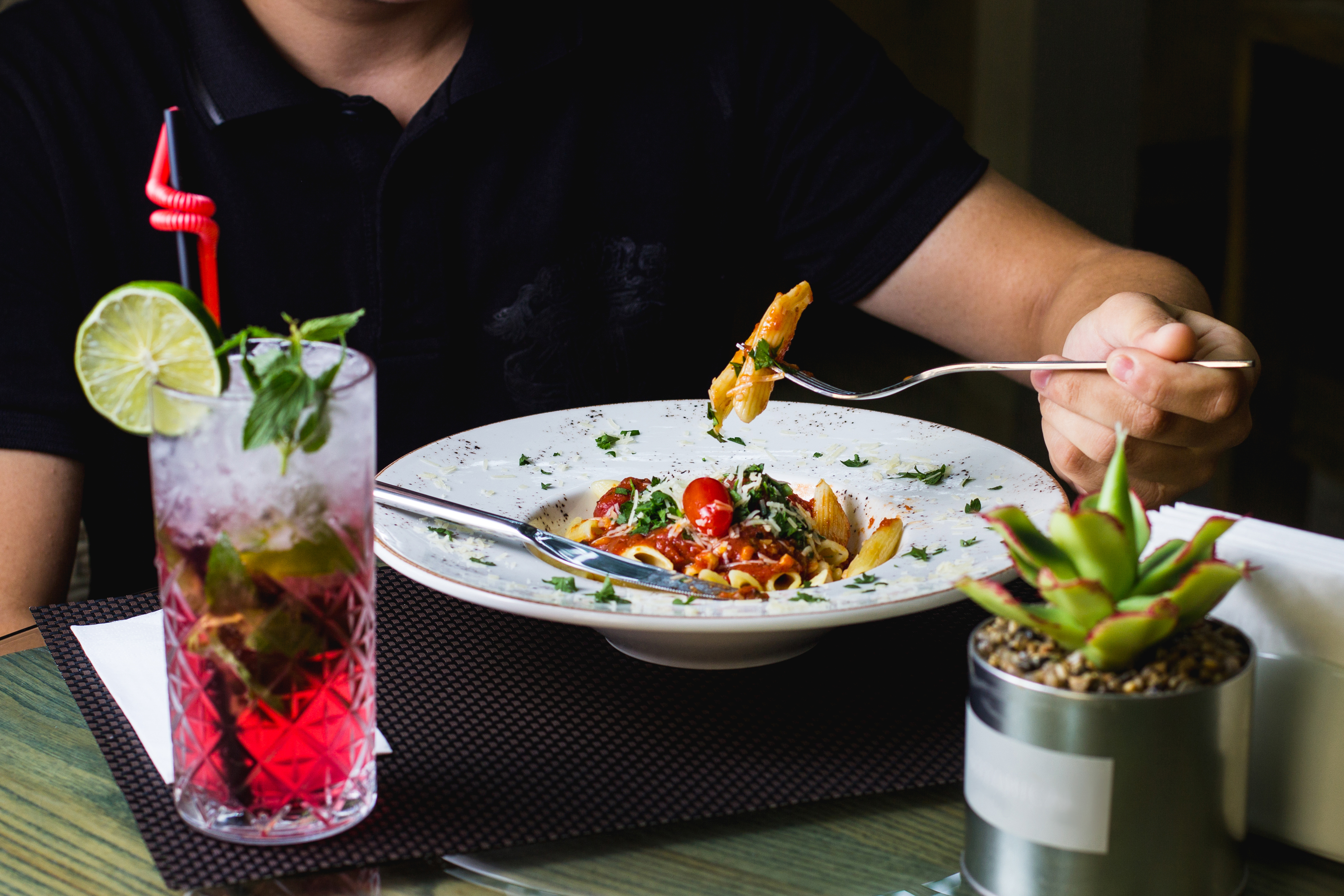
Sharing-focused menus can restrict choice. Platters and dishes priced for two may force a solo diner to overspend or waste food.
A separate solo menu is not necessary. A few flexible formats can open the existing menu to one-person parties:
- Half portions of selected mains, salads, or pasta
- Individual tasting flights
- Single-person combinations with an optional side or dessert
- Small plates that can form a complete meal
- Clear portion guidance for shareable dishes
Digital menus can present portion sizes, ingredients, add-ons, and current availability without crowding a printed page. Keep recommendations useful rather than aggressive.
4. Assistance and payment: remove the need to perform for attention
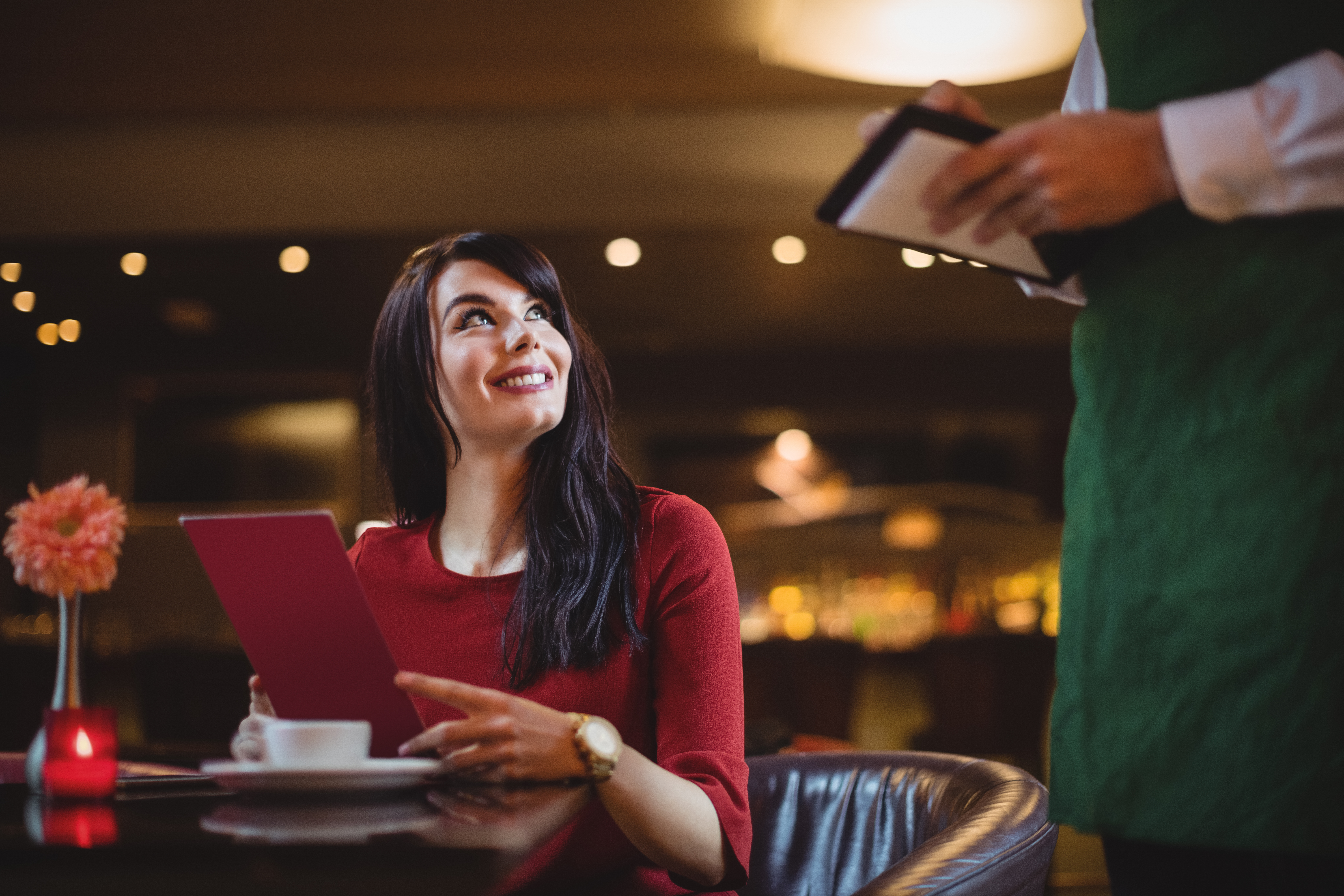
Groups can talk while someone looks for a server. A solo guest experiences the wait directly. Repeated eye contact or hand-raising can make an otherwise good meal feel awkward.
Create a clear way for guests to request help. Staff can remain visible within their assigned zones and use digital service requests where appropriate. The goal is predictable access to a person.
A guest who is ready to leave should not spend ten minutes trying to request the bill. Faster checkout improves the final impression without rushing the meal itself.
Match the Strategy to the Restaurant Format
Solo dining looks different across service models, so the response should fit the venue.
Full-service restaurants
Focus on host language, seating choice, service pacing, and easy bill requests. Clear table ownership helps prevent one-person parties from being overlooked.
Limited-service and quick-service restaurants
Prioritize clear menus, individual meal bundles, smooth ordering, and adequate personal space.
Cafes and bars
Create consistent policies for laptops and extended stays during peak periods. Make those policies clear and apply them fairly.
Hotels and travel venues
Reduce uncertainty with multilingual menus, allergen information, clear directions, and simple methods for requesting service.
Use Technology to Make Hospitality Easier to Reach
Digital tools should not replace an experienced server. Their best role is closing service gaps. With Call The Service, guests can scan a table QR code to view a branded menu, request a waiter, place an order, or ask for the bill without downloading an app. It provides a discreet alternative to waving for attention, while table and zone assignments help route each request to the right staff member.
Restaurants can review:
- Request volume
- Response times
- Peak service periods
- Busy tables and zones
- Guest feedback
Managers can use this information to identify service blind spots and improve staffing decisions. Technology succeeds when the guest feels more connected to service, not more separated from it.
Run a 30-day Solo Dining Pilot
Start with one daypart and one location. For 30 days:
- Allow one-person reservations where practical.
- Give hosts two welcoming phrases and a seating-choice script.
- Add two or three menu formats that work well for one appetite.
- Make the process for requesting assistance and the bill obvious.
- Ask for brief feedback after service.
Compare the pilot with the previous month. Track:
- Solo-dining visits
- Average spend
- Add-ons
- Dining duration
- Service response times
- Guest feedback
- Return visits
Review written comments as well as numbers. Speed is not a success if guests feel they are being pushed out. If demand or satisfaction improves without weakening margins, extend the pilot. Adjust one variable at a time and build a repeatable service standard.
Mistakes that Quietly Drive Solo Diners Away
Do not treat a party of one as unfinished inventory.
Avoid:
- Placing solo diners in awkward corners
- Blocking one-person reservation times
- Automatically assigning every solo guest to the bar
- Forcing conversation
- Assuming the guest wants to leave quickly
- Making assistance difficult to request
- Ignoring the table because it has only one person
Discounts cannot replace a welcoming arrival, useful menu choices, visible staff, and frictionless payment. Never confuse independence with invisibility. Solo diners may want privacy, interaction, speed, indulgence, or a mix of all four. Make those choices easy.
A Complete Guest Deserves a Complete Experience
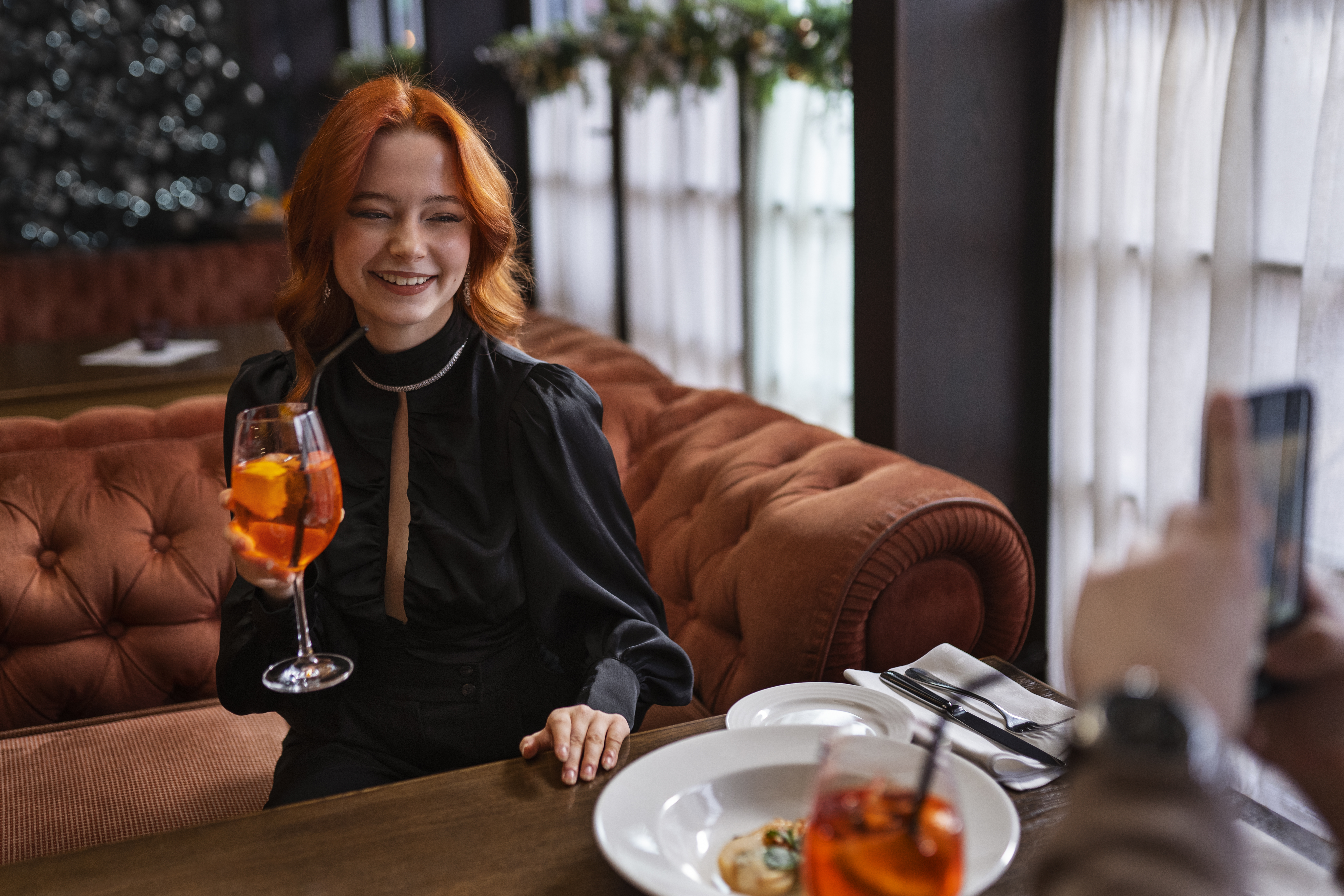
Solo dining reflects a shift toward flexible, self-directed experiences. A strong response can fill available seats and earn loyal regulars. Welcome guests without judgment, offer meaningful choices, keep service accessible, and respect each person’s pace.
Call The Service connects every table to the menu and service team when help is needed. One guest is not a smaller occasion. Serve the person well, and a table for one can become a table you see every week.
Frequently Asked Questions
What does solo dining mean?
Solo dining means eating without a companion. It may be practical, a personal treat, part of traveling, or a regular habit.
How can restaurants attract solo diners?
Offer one-person reservations, suitable portions, welcoming staff language, genuine seating choices, and a clear way to request service.
What seating is best for a solo diner?
Counters, two-tops, communal tables, and window seats can all work. Offer the guest a choice whenever possible.
Can a QR menu improve solo dining?
Yes. A QR menu can give a guest immediate access to menu details and provide a discreet way to order or request help. It should complement attentive staff rather than remove human service.