
A guest scanning your beer menu for the first time is making a small bet: they don’t know your beers, so they’re deciding whether to play it safe or trust you with something new. A good menu tips that decision in your favour every single time. A weak one quietly hands your margin to the same three familiar brands, night after night.
The difference isn’t the beer; it’s the design behind the list. Below is a five-pillar framework for building a beer menu that guides the undecided, upsells the curious, and gives regulars a reason to come back. Work through them in order, because each one builds on the last: curate the lineup, price with psychology, describe to sell, present it right, and keep it alive.
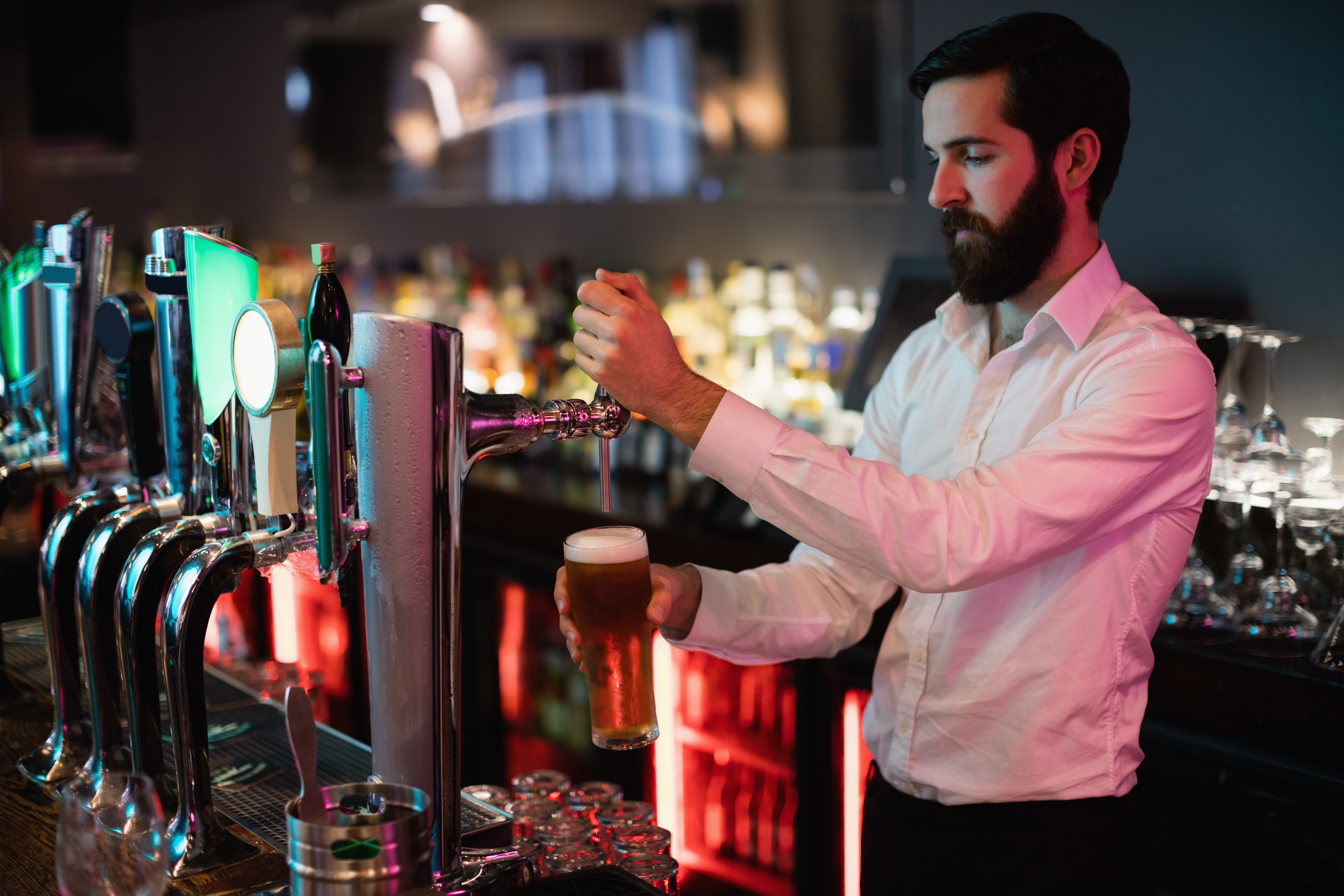
What is a Beer Menu Actually for?
Before the styles and the layout, get clear on the job. A high-performing beer menu does four things at once: it guides the guest who has no idea what to order, tempts the one who’s open to trading up, reassures the loyal drinker that their favourite is still here, and quietly steers traffic toward the pours you most want to move. If your current menu only accomplishes the last one by accident, there’s room to grow.
1. Curate the lineup before you touch the layout
Range and depth are two different levers, and confusing them is where most menus go wrong. Range is how widely you span the spectrum – from crisp, easy-drinking lagers to bolder, hop-forward or dark styles. Depth is how many options you offer within each of those lanes. You want enough range that nobody feels ignored, but enough restraint that the list still feels chosen rather than dumped.
A menu stacked entirely with adventurous craft styles loses the guest who just wants something cold and uncomplicated. Flip it, and a wall of pale lagers bores the drinker who came in looking to explore. The sweet spot is a shortlist that covers the obvious crowd-pleasers while reserving a few slots for character.
Make local and seasonal your signature
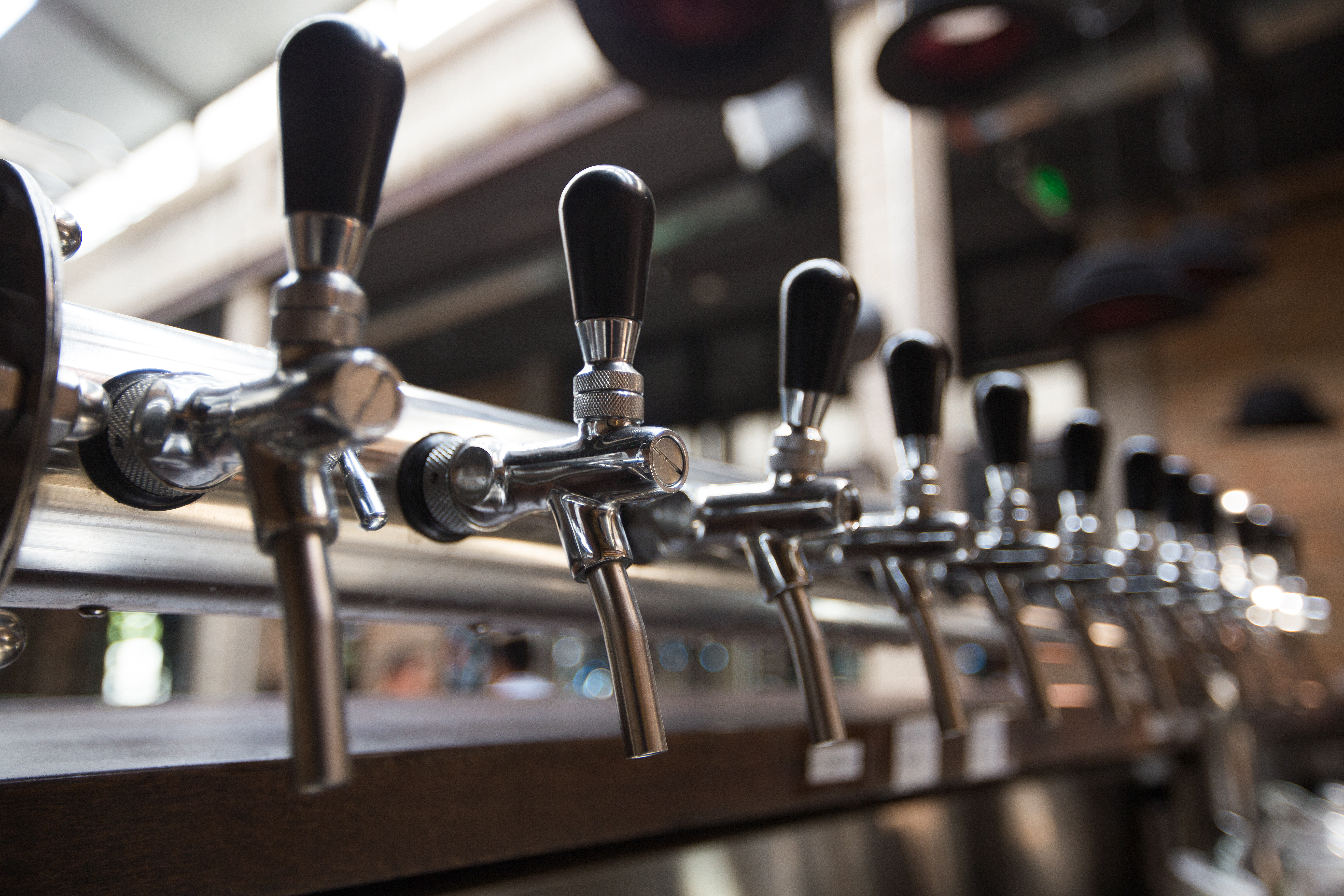
Anyone can pour a national brand. A rotating local tap or a seasonal special is what turns a list into your list. Guests who discover a beer they love only at your venue tend to bring friends and treat the place as their own. Line up relationships with nearby breweries, plan seasonal swaps a few weeks ahead, and let your staff tell the story behind a limited pour – scarcity and a good anecdote sell more than any adjective on the page.
Know your draft-versus-packaged economics
Draft beer usually carries a healthier margin than bottles or cans, but only if your system is dialled in. Poor line maintenance, over-foaming, and sloppy pours quietly turn profit into drip trays. Before you expand your taps, make sure the ones you have are pouring clean – a tight setup protects far more revenue than an extra line ever adds.
2. Price with psychology, not a calculator
Cost-plus pricing – mark up the wholesale figure and move on – leaves money on the table because it ignores how people actually read a menu. Guests judge value by comparison, so give them something to compare against. A modest anchor at the low end sets the reference point, a well-stocked mid-tier does the volume, and a premium or specialty pour at the top lifts the average check simply by existing.
Resist the urge to price purely off what the bar down the street charges. Their costs, crowd, and positioning aren’t yours. Decide what behaviour you want each beer to drive – everyday order, gentle trade-up, or occasional splurge – and let that shape the number.
3. Write descriptions that do the selling for you
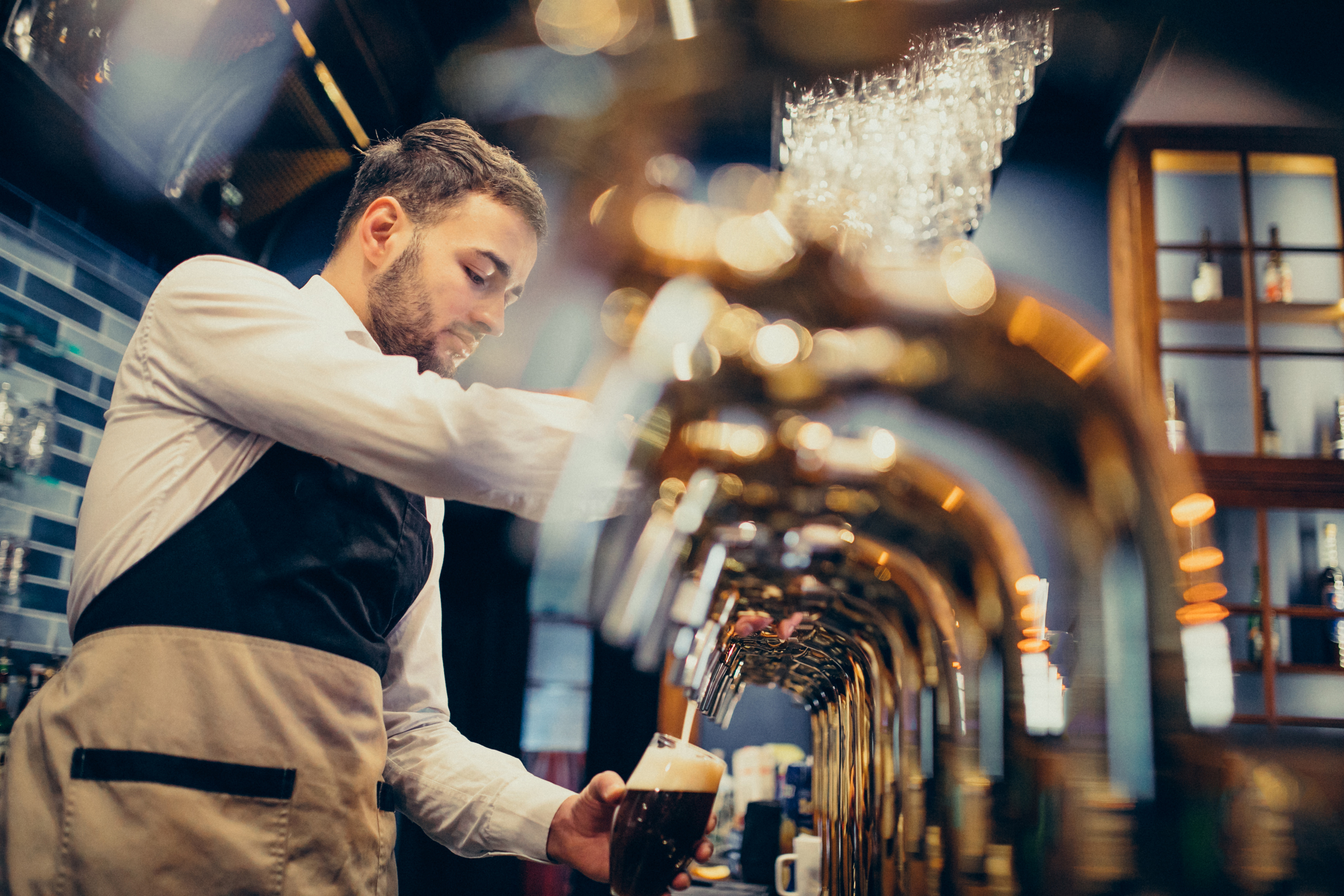
A guest can’t taste the beer before they order it, so the words have to. Skip the distributor’s copy-paste blurb and the deep technical jargon. Instead, give a quick, plain-language sketch of what to expect: is it light and citrusy or rich and roasty, easy-going or seriously strong, and what does it pair with? A short, vivid description does more work than a long, accurate one.
Keep them tight enough that a server can remember and repeat them at the table. When your staff can confidently say, “If you like a dry cider, you’ll enjoy this one,” you’ve turned every description into a second recommendation.
4. Present it right – print, digital, or both
Format should follow how guests actually read. A well-made printed menu signals occasion and permanence; a digital menu wins on speed, flexibility, and reach. Many venues are best served by both – print for the sit-down experience, digital for the moment a guest wants to browse and decide on their own.
Whatever you choose, respect the hierarchy: a clear header, clean section breaks by style or flavour, and gentle emphasis on the pours you want noticed. Group by taste rather than by brand so an undecided guest can find their mood in a glance.
This is where a QR-based digital menu quietly earns its keep. With Call The Service, a guest scans the code at the table and sees your live beer list on their own phone – no app download, no waiting to flag someone down. Sold out of a seasonal? Update it in seconds so nobody orders what you can’t pour. Have tourists in for the weekend? The menu translates automatically into more than a hundred languages, so a visitor reads your tap list in their own without a printed reprint. And because the same system lets guests call a waiter or ask for the bill with one tap, the beer they just discovered arrives before the impulse fades.
5. Keep the menu alive
A beer menu is never finished. Treat it as a rolling process: refresh a portion of the list each quarter to track what’s in season, what’s selling, and where wholesale prices have moved. Let the data lead – pull your sales reports, listen to what guests actually ask for, and cut or reprice the pours that aren’t earning their slot.
Factor in your bar’s capacity too. A tap wall you can’t keep clean or a fridge you can’t keep stocked will undo good curation fast. Fewer beers poured well beats more beers poured tired.
Bringing it Together
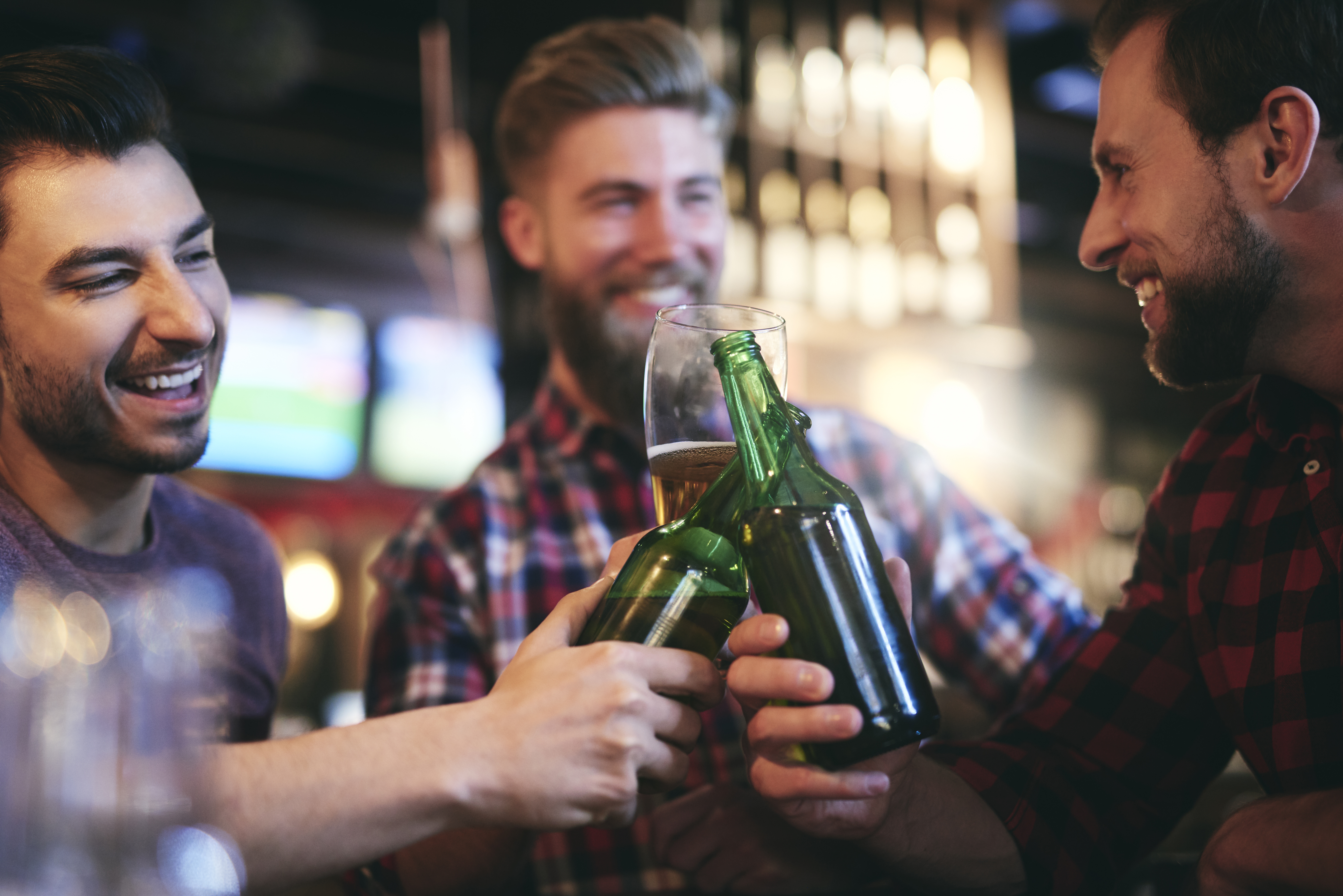
A beer menu that sells is built, not printed. Curate a lineup with range and restraint, price it to guide behaviour, describe it so it tempts, present it where guests are ready to read, and keep it honest with regular review. Do that, and the menu stops being a list of what you have – and starts being the reason guests order more, tip better, and come back.
Handling the “present it” and “keep it alive” pillars is where a QR digital menu does the heavy lifting: instant updates, multilingual access, no app, and one-tap service – on a flat annual plan with no per-order commissions.