A server approves a refund without checking with the manager. Two employees swap shifts, leaving nobody qualified to close. A customer mentions an allergy, and the message never reaches the kitchen. These situations expose the same problem: people are making decisions without shared instructions.
A clear restaurant policy gives your team a reliable way to respond. It explains expectations, assigns responsibility, and helps managers handle recurring situations consistently. For owners, that means fewer avoidable interruptions and better visibility into how the business operates.
This guide explains what to include, how to write useful rules, and how to turn your handbook into daily practice.

What Is a Restaurant Policy?
A restaurant policy is a written rule or standard that guides decisions and behavior within your business. Your complete policy handbook brings these standards together for employees and managers. Policies establish expectations. Procedures explain the steps needed to meet them.
For example, your refund policy might require manager approval before money is returned. The supporting procedure explains how to record the complaint, process the refund, and reconcile the transaction. Keeping that distinction clear makes updates easier. You can change the instructions for a new payment system without rewriting the underlying approval rule.
Essential Policies Every Restaurant Should Address
1. Attendance and Shift Coverage
Explain when schedules are published, how employees request availability changes, and whom they contact when they cannot work. Identify the approved communication channel so urgent messages do not disappear into an unused group chat.
Set a clear approval process for shift swaps. A replacement should have the skills needed for the station, and the manager should confirm the change before the schedule is updated. Include a separate route for illness and emergencies. Your attendance expectations should support prompt reporting and account for applicable leave protections.
2. Food Safety and Allergen Communication
Define responsibilities for receiving deliveries, checking temperatures, labeling stored food, cleaning equipment, and reporting illness. Give each task an owner and specify where checks are recorded.
Build detailed limits and corrective actions around your applicable food regulations. In the United States, the FDA Food Code provides a model that regulators use to develop their own rules; confirm what your local authority has adopted. For allergy requests, establish a communication path from the server to the responsible kitchen employee. Require ingredient verification and an assessment of cross contact risks before anyone promises that a dish is suitable.
When staff cannot confirm safety, they should explain the uncertainty and involve the manager.
3. Employee Conduct and Reporting Concerns
Describe expected behavior using examples: respectful communication, appropriate phone use, personal hygiene, and responsible handling of restaurant property.
Explain how employees can report harassment, discrimination, bullying, or unsafe conduct. Provide an alternative contact when the concern involves their immediate supervisor. State that retaliation for raising concerns is unacceptable. Assign responsibility for reviewing reports and explain how information will be handled, without promising absolute confidentiality.
4. Timekeeping, Pay, and Tips
Document how employees record working time, correct missed entries, and raise payroll questions. Explain paydays, break arrangements, and any tip distribution process in language employees can understand. Give payroll corrections a named contact and a clear response process. Require managers to document adjustments so employees can understand what changed and why.
Have a qualified local adviser check rules involving wages, overtime, tips, deductions, and breaks before implementation. These requirements depend on your jurisdiction and employment arrangements.
5. Customer Complaints and Refunds
Give employees a practical response sequence: listen, clarify the problem, explain the available solution, and involve a manager when necessary. Specify who can authorize replacements, discounts, refunds, and complimentary items. Set approval limits that reflect your prices and operating model.
Record the reason for each adjustment in your point of sale system. Reviewing these records can help you distinguish repeated kitchen errors from delivery problems or unclear menu descriptions. Also explain how staff should respond to threatening behavior and when they should seek emergency assistance.
6. Reservations and Guest Expectations
Write clear terms for deposits, cancellations, late arrivals, large parties, and any seating time limits. Make relevant terms visible before customers commit to a booking.
Use the same wording across your website, reservation platform, and confirmation messages. Give hosts an approved explanation and identify who can authorize exceptions. A cancellation rule is difficult to apply consistently when the customer and the host received different information.
7. Cash, Stock, and Closing Responsibilities
Define who can access cash drawers, approve voids, receive deliveries, and adjust inventory records. Keep permissions appropriate to each role.
Use opening and closing checklists with named responsibilities. Include equipment checks, stock storage, cash reconciliation, and security tasks relevant to your premises. Record waste by item, quantity, and reason. This gives you something useful to investigate when purchasing costs rise.
How to Write Rules Employees Can Follow

Start with recurring problems from your own operation. Review complaints, shift handovers, refund records, and questions managers answer repeatedly. For each policy, explain its purpose, who it covers, the required action, the responsible manager, and the process for exceptions.
Replace vague instructions such as “handle complaints professionally” with observable actions. Tell employees what they can resolve independently and exactly when approval is required. Keep detailed task instructions in separate checklists where necessary. Staff should be able to find the relevant answer during service without reading several pages.
A Simple Restaurant Policy Example
Policy name: Customer refund approval.
Purpose: Resolve billing and service issues consistently while maintaining accurate transaction records.
Rule: Employees must obtain approval from the manager on duty before issuing a refund.
Procedure: Confirm the order and complaint, notify the manager, record the approved resolution, and process the adjustment through the payment system.
Record: Save the transaction reference, reason, amount, and approving manager.
Review: The owner reviews refund patterns weekly and addresses recurring causes with the relevant team.
Adapt this example to your workflow and applicable customer rights.
Check Whether Your Policies Are Working
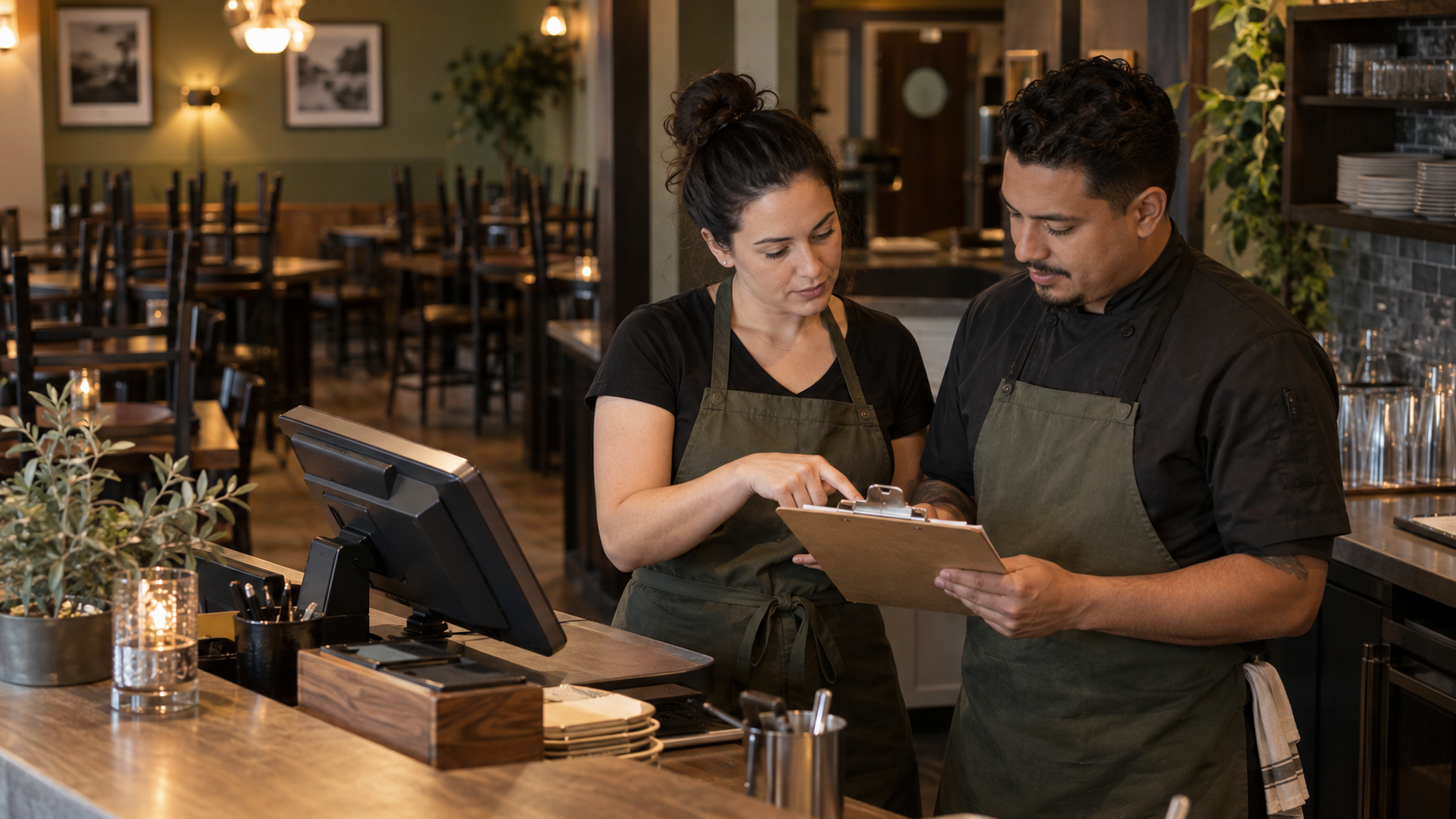
Choose a few measures connected to the problems you want to solve. Track unapproved shift changes, incomplete closing checklists, and refunds caused by order errors. Compare patterns across similar service periods rather than judging one unusually busy night.
If a rule is repeatedly missed, ask employees where the process breaks down. The instruction may be unclear, the approval contact unavailable, or the checklist difficult to access. Fix those obstacles before adding more rules. Review progress with specific examples at your next manager meeting.
Train Your Team and Keep Policies Current
Introduce policies through short training sessions built around realistic situations. Ask employees to demonstrate how they would report an absence or escalate a complaint. Provide an accessible handbook and quick reference checklists. Record acknowledgments after employees have had time to read the material and ask questions.
Train managers together so they apply the same standards. Document exceptions and the reasons behind them. Assign one person to maintain the current version. Review policies after operational changes, significant incidents, or relevant regulatory updates.
Start this week with the three issues that interrupt your restaurant most often. Write clear rules, test them with your team, and refine them using actual experience. A useful restaurant policy should help people make better decisions every shift.