
What Is a Table Service App?
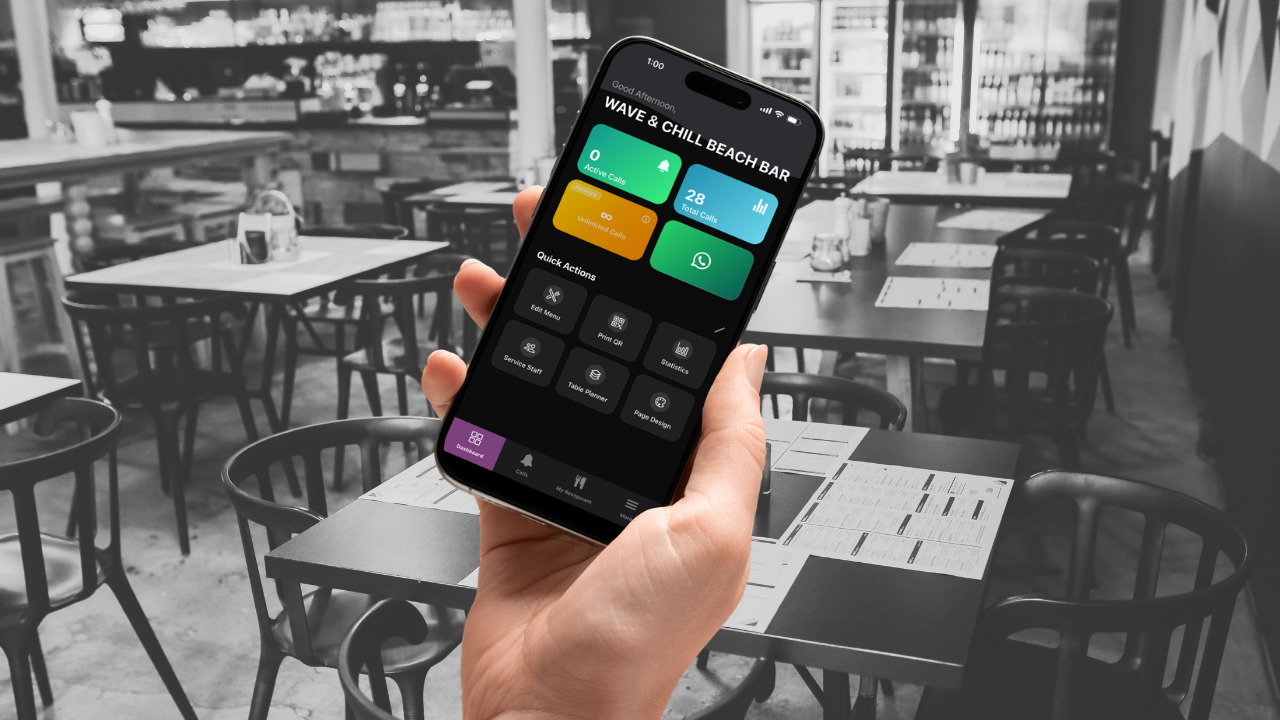
A table service app is a digital restaurant management solution designed to simplify and automate the dining experience for both customers and staff. It replaces traditional pen-and-paper ordering systems with an intuitive platform that connects customers, waitstaff, and kitchen teams in real time.
In a typical setup, customers can access a digital menu by scanning a QR code or using a tablet at their table. They can browse items, customize orders, and place them instantly. The order is sent directly to the kitchen, eliminating delays and reducing the risk of miscommunication. At the same time, staff can monitor table activity, manage orders, and process payments—all from a centralized system.
Key Features of a Restaurant Management App
A modern table service app is equipped with advanced features that transform daily restaurant operations into a seamless digital workflow.
- The digital menu is one of the most impactful features. It allows restaurant owners to display items with images, descriptions, and pricing in an engaging format. Unlike printed menus, digital menus can be updated instantly, making it easy to adjust prices, add new dishes, or remove unavailable items.
- Real-time order processing ensures that orders are transmitted instantly from the table to the kitchen. This reduces waiting times and minimizes human errors, leading to faster and more accurate service.
- The table management system provides a clear overview of table availability, occupancy, and order status. This helps staff manage seating efficiently and improve table turnover rates, especially during peak hours.
- Contactless billing and payments enhance convenience for customers. They can pay directly through the app without waiting for staff, creating a smoother and faster checkout experience.
- Finally, built-in analytics and reporting tools provide valuable insights into sales trends, customer preferences, and top-performing menu items. These insights enable restaurant owners to make informed decisions and optimize their business strategy.
Benefits for Restaurant and Café Owners
Adopting a table service app offers a wide range of advantages that directly impact both operations and profitability.
- Increased efficiency by automating order-taking and billing processes
- Improved customer experience through faster service and reduced waiting times
- Reduced human errors with direct digital communication between tables and kitchen
- Higher revenue potential through upselling and quicker table turnover
- Lower operational costs by minimizing reliance on printed menus and excessive staff
These benefits collectively help restaurant and café owners run their businesses more smoothly while delivering a superior dining experience.
Why Digital Menus Are Essential Today
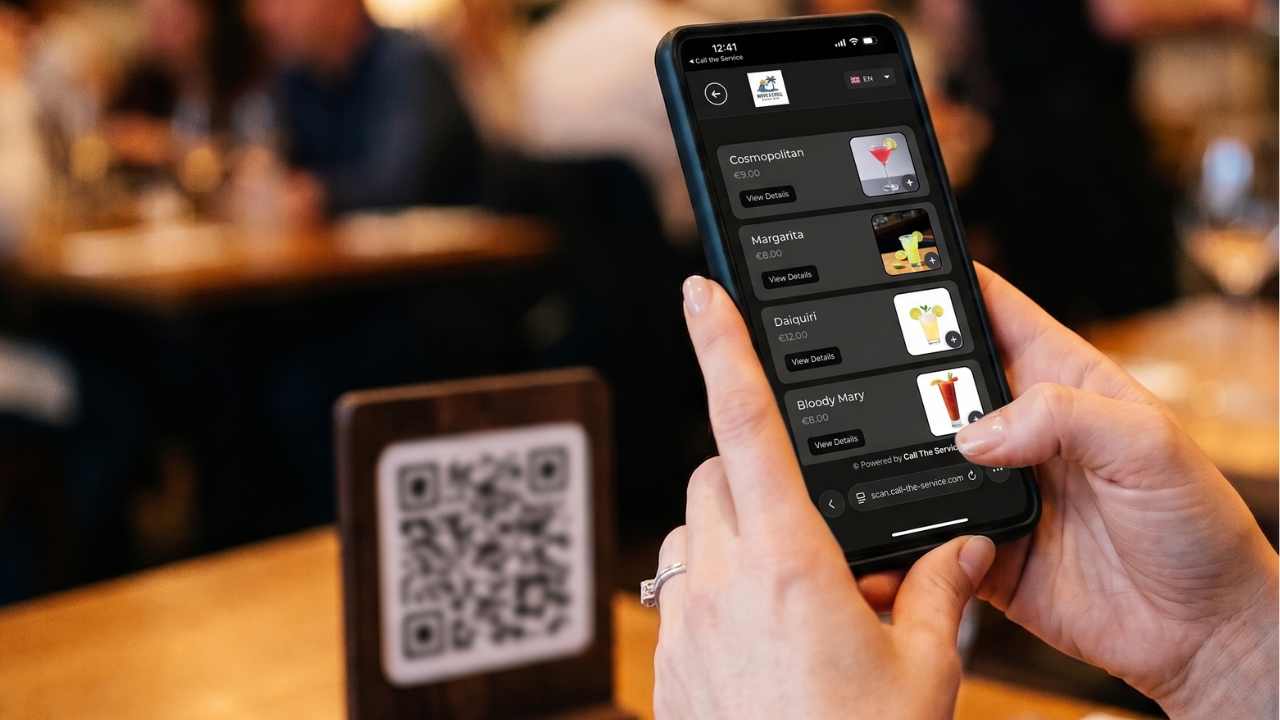
Digital menus have quickly become a standard in modern dining, and for good reason. They offer unmatched flexibility and convenience for both customers and restaurant operators. With a digital menu, updates can be made instantly without incurring printing costs, ensuring that customers always see accurate and up-to-date information.
Additionally, digital menus support contactless dining, which has become increasingly important in recent years. Customers prefer minimal physical interaction, and digital solutions help meet these expectations while maintaining hygiene standards.
From an environmental perspective, digital menus also reduce paper waste, making them a sustainable choice for eco-conscious businesses. As technology continues to shape customer behavior, adopting digital menus is no longer optional, it is essential for staying competitive.
How Table Service Apps Increase Sales
A table service app is not just an operational tool, it is also a powerful revenue driver. By enhancing the ordering experience and leveraging smart features, it encourages customers to spend more while improving overall efficiency.
- Upselling opportunities through automated recommendations, add-ons, and combo suggestions
- Faster table turnover, allowing more customers to be served within the same timeframe
- Personalized customer experience based on preferences and ordering behavior
These capabilities lead to increased average order value and improved customer retention, both of which are critical for long-term business growth.
Best Use Cases
Table service apps are highly versatile and can be adapted to different types of food businesses. Restaurants benefit from improved service speed and better coordination between staff and kitchen teams. Cafés can enhance customer convenience by enabling quick ordering and reducing queues.
Cloud kitchens can use these apps to streamline order management and improve operational efficiency, even without a physical dining space. Fine dining establishments can maintain a premium experience while improving backend efficiency, whereas quick service restaurants can handle high volumes with greater speed and accuracy.
How to Choose the Right Table Service App
Selecting the right table service app is a critical decision that can significantly impact your restaurant’s success. It is important to choose a solution that is easy to use, integrates seamlessly with your existing systems, and offers reliable customer support.
Scalability is another key factor. As your business grows, your app should be able to handle increased demand without compromising performance. Pricing should also be evaluated carefully to ensure a strong return on investment.
Ultimately, the right app should align with your business goals while providing the flexibility and features needed to adapt to future trends.
Why You Need This Technology Now
The restaurant industry is undergoing a digital transformation, and businesses that fail to adapt risk falling behind. Customers today expect convenience, speed, and a seamless digital experience. A table service app helps meet these expectations while giving your business a competitive edge.
By adopting this technology now, restaurant and café owners can future-proof their operations, improve efficiency, and position themselves as modern, customer-focused businesses. The sooner you implement a digital solution, the faster you can start seeing measurable improvements in performance and profitability.