
What Is A La Carte Menu Meaning?
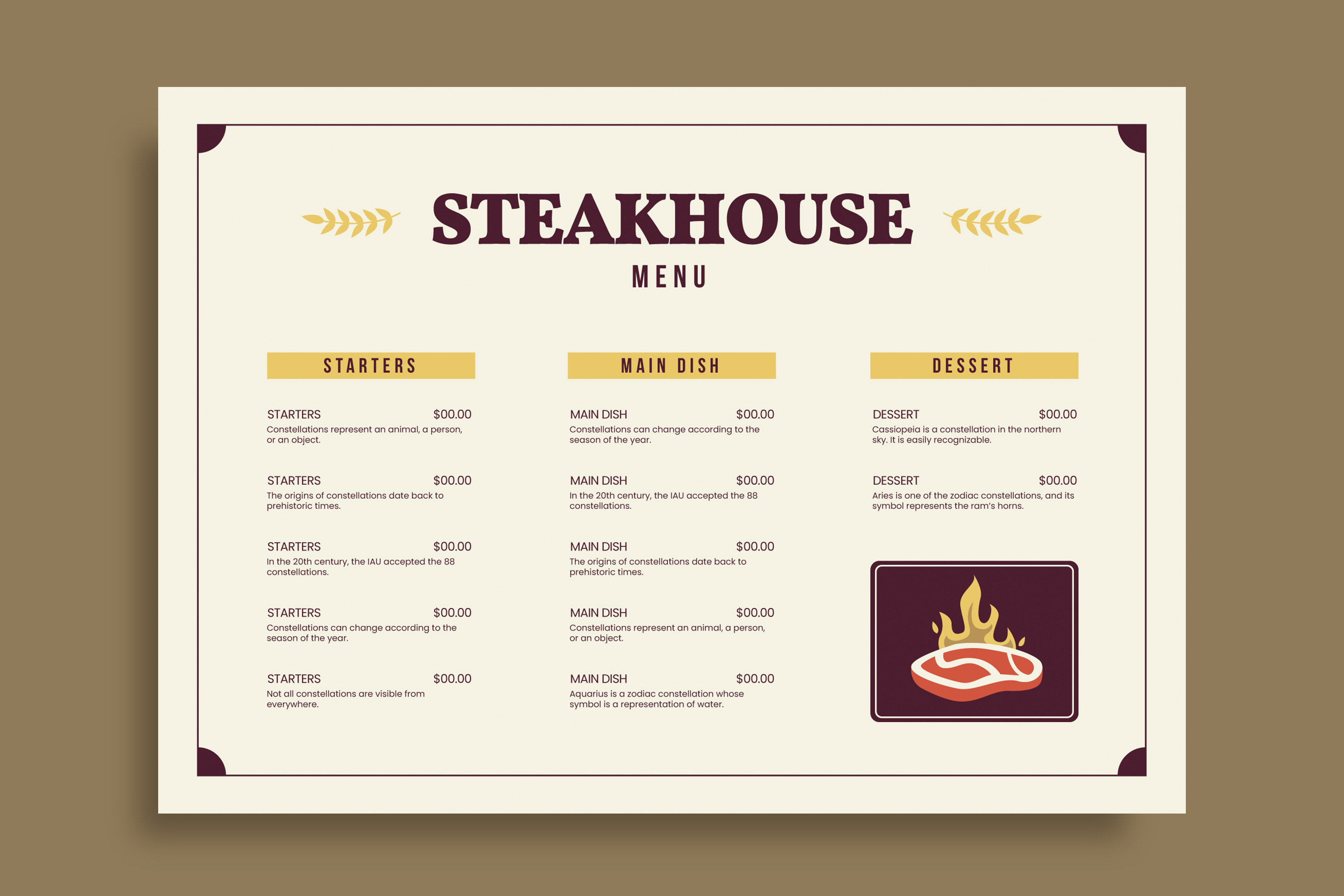
The a la carte menu meaning refers to a menu format where each dish is listed and priced separately. The phrase comes from French and literally means “from the card.”
In simple terms:
- Every dish has its own price.
- Guests choose items individually.
- There are no mandatory bundled meals.
For example:
- Grilled Salmon – $28
- Herb Rice – $6
- Roasted Vegetables – $8
Instead of offering one fixed meal price, customers build their dining experience piece by piece.
Why A La Carte Menu Meaning Matters for Restaurant Owners
Understanding the a la carte menu meaning is crucial because it directly affects:
- Average order value
- Food cost percentage
- Inventory management
- Guest perception of fairness
- Upselling opportunities
Global dining trends consistently show that customers value customization and transparency. An à la carte structure aligns perfectly with these expectations.
When every item is priced separately, you gain better control over profitability. Instead of relying on bundle pricing, you manage margins at the item level.
A La Carte vs. Prix Fixe: Understanding the Difference
Many restaurant owners compare à la carte menus with prix fixe menus. Here’s how they differ:
| Feature | A La Carte | Prix Fixe |
|---|---|---|
| Pricing | Each item separately priced | One fixed price for multiple courses |
| Flexibility | High | Limited |
| Upselling | Strong potential | Moderate |
| Guest Control | Full customization | Pre-selected structure |
| Margin Control | Item-level precision | Bundle-level control |
Some restaurants successfully combine both formats—offering à la carte during regular service and prix fixe options for special events or tasting menus.
Advantages of an A La Carte Menu
Higher Profit Margins Through Item-Level Pricing
With an à la carte format:
- You can price premium proteins strategically.
- Maintain strong margins on side dishes.
- Adjust prices quickly when ingredient costs rise.
Separating pricing often increases total order value. For instance, selling a premium steak separately from sides may generate more revenue than bundling everything into one fixed-price plate.
Built-In Upselling Opportunities
An à la carte structure creates natural upselling moments:
- “Would you like to add grilled shrimp?”
- “Can I bring you a side of truffle fries?”
- “Would you prefer a premium sauce?”
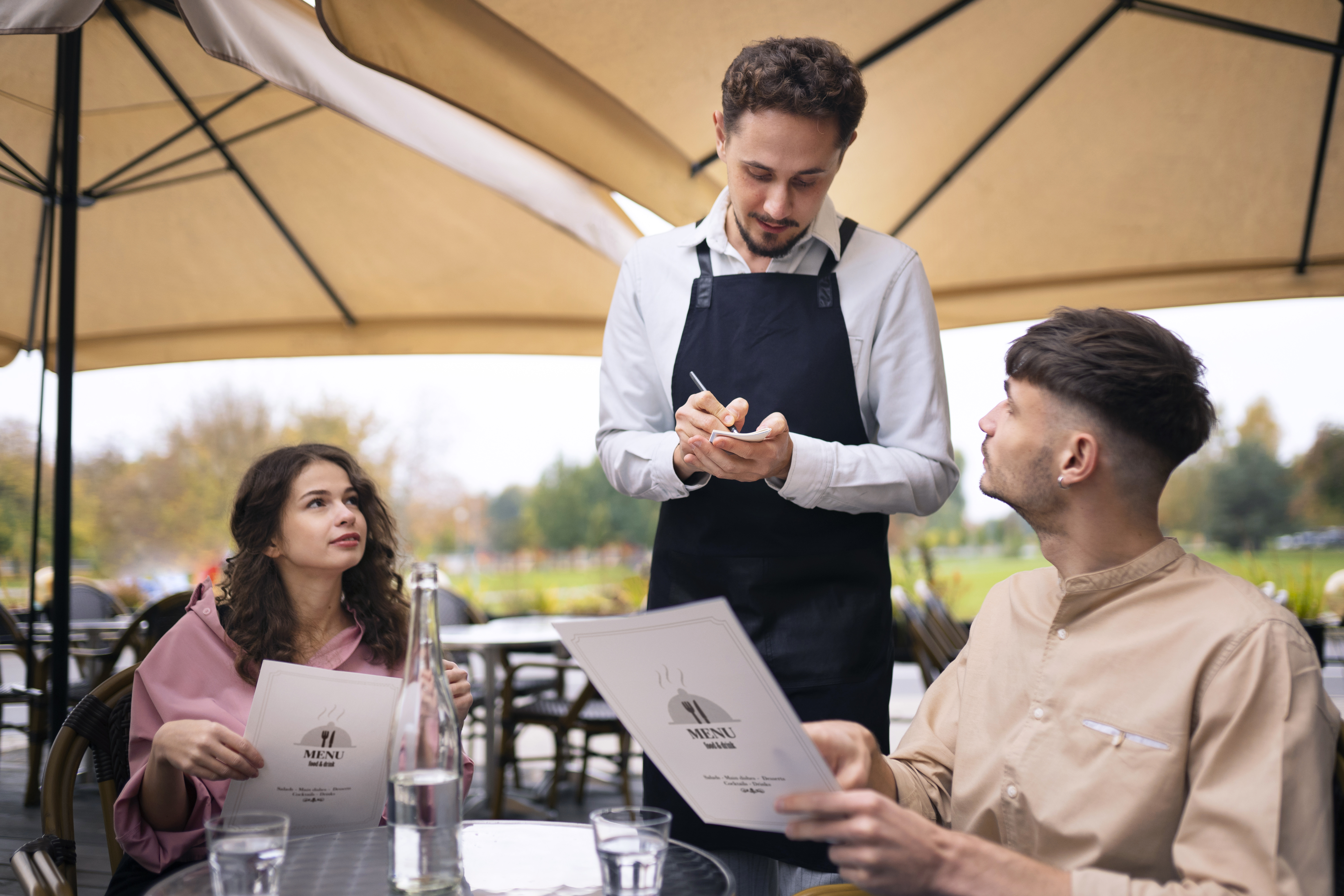
Each addition increases the average check without appearing forceful. When staff are properly trained, this becomes a consistent revenue driver.
Appeals to Modern Consumer Preferences
Today’s diners want control. They prefer to:
- Customize their meals.
- Choose portion sizes.
- Avoid unwanted ingredients.
An à la carte model supports dietary needs and personal preferences. That sense of choice enhances satisfaction and encourages repeat visits.
Stronger Menu Engineering Capabilities
Because every dish stands alone, you can analyze performance using menu engineering principles:
- Stars – High margin, high popularity
- Plowhorses – Popular but lower margin
- Puzzles – High margin but low demand
- Dogs – Low margin and low popularity
This structured approach helps you optimize placement, pricing, and promotion for maximum profitability.
How to Design a Profitable A La Carte Menu
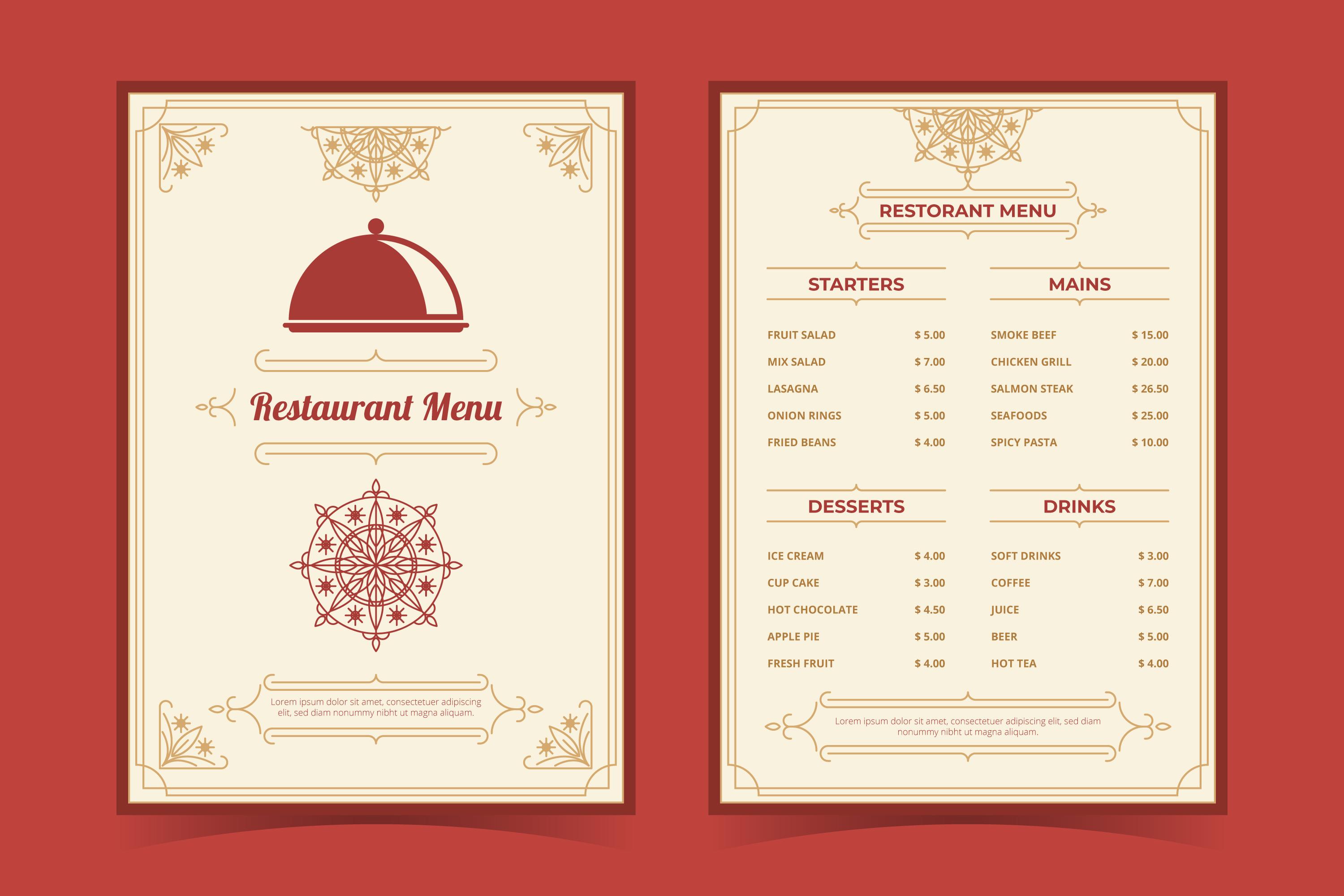
Designing a profitable à la carte menu requires more than listing items separately. It demands strategy, clarity, and smart positioning. The goal is simple: guide customers toward high-margin choices while maintaining a smooth ordering experience.
Strategic Menu Layout
A well-structured layout is the foundation of profitability. Categories such as Starters, Mains, Sides, Add-ons, and Desserts should be clearly separated so guests can navigate the menu easily. High-margin items should be placed in visually strong positions, typically at the top right, center, or highlighted subtly within the section.
The layout should remain clean and uncluttered. Too many options overwhelm customers and slow decision-making. Descriptive language also plays a key role. Instead of simply listing “Grilled Chicken,” describe it in a way that enhances perceived value, such as “Herb-Marinated Grilled Chicken with Garlic Butter Glaze.” A thoughtfully designed menu quietly steers customers toward profitable choices without making them feel influenced.
Psychological Pricing Techniques
Small pricing adjustments can significantly impact purchasing behavior. Charm pricing, such as listing an item at $19 instead of $20, makes the price feel lower. Premium anchoring is another effective technique, placing a higher-priced item at the top of a category can make other options appear more reasonably priced.
Positioning mid-tier dishes as “best value” also encourages balanced spending.
As ingredient costs fluctuate, updating prices manually can become time-consuming and expensive. Many restaurant owners now rely on a digital menu app for restaurants to update à la carte pricing instantly, manage seasonal items, and maintain consistent branding without reprinting physical menus.
Staff Training Is Essential
Even the best-designed menu cannot drive profits without proper execution. Staff should understand which items generate higher margins and confidently suggest add-ons that complement the main dish. For example, pairing a premium sauce or recommending a signature side increases average order value naturally.
Servers should also know how to guide guests efficiently, especially during busy hours. Menu structure creates opportunity, but trained staff convert that opportunity into revenue.