
Why Technology Is Now Core to the Restaurant Industry
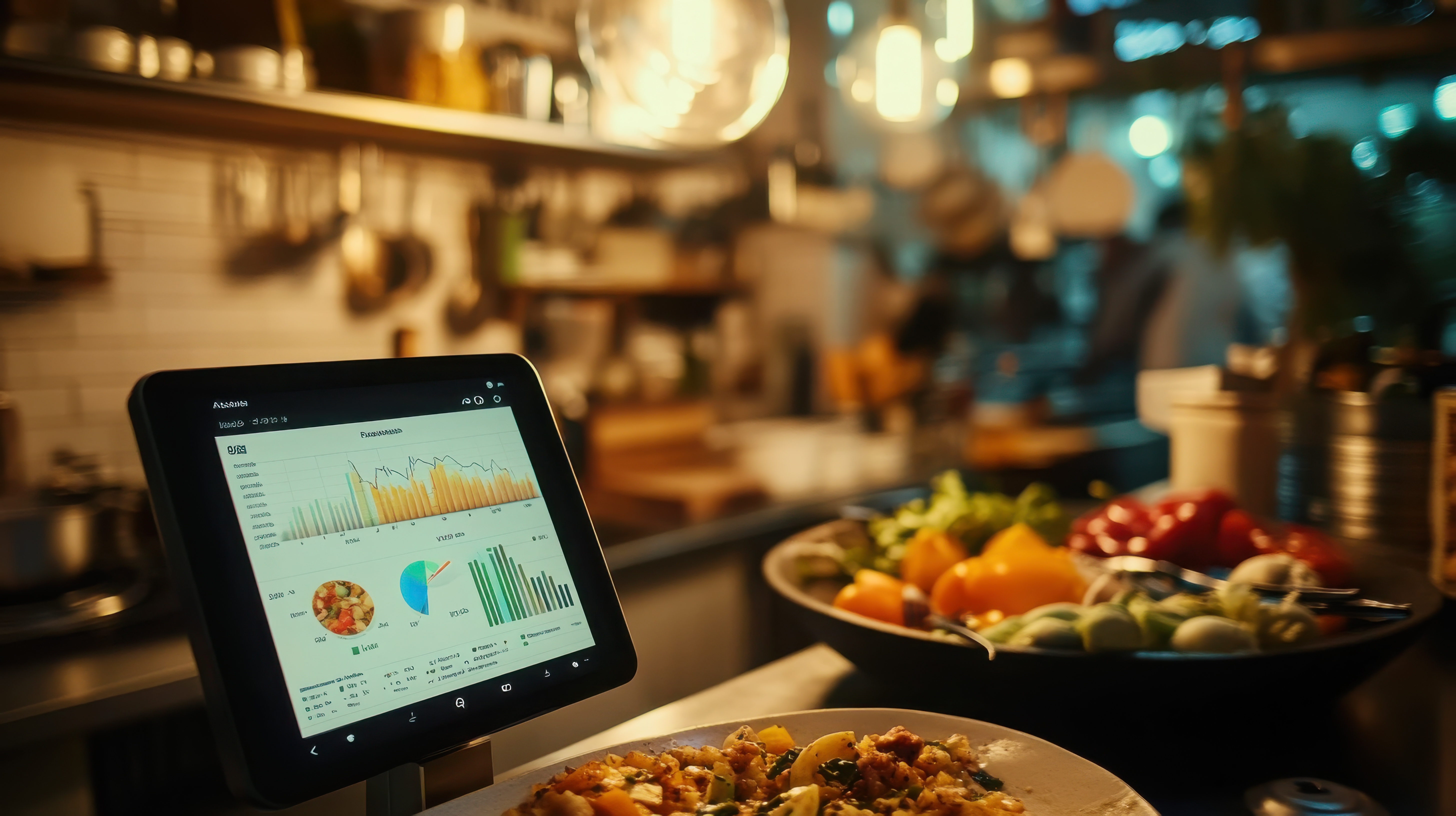
Across the globe, current trends in the restaurant industry reveal a clear pattern: guests want speed, transparency, and personalization, while operators need efficiency and predictability. These market trends in the restaurant industry are not driven by novelty, but by necessity.
Restaurants using technology are better equipped to handle real-world pressures. Digital ordering reduces mistakes during peak hours. Smarter scheduling tools help control labor costs. Inventory systems flag waste before it impacts margins. Together, these solutions address the everyday challenges that define current restaurant trends.
What’s notable is that these shifts are not limited to large chains. Independent cafés, food trucks, and beach clubs are increasingly adopting new restaurant trends powered by technology, as the tools are now more accessible, scalable, and affordable than ever before.
From Operations to Experience: How Restaurants Are Actually Using Technology
The latest technology in restaurants is not about replacing people; it’s about supporting them. One of the most impactful changes has been the rise of cloud-based POS systems. These platforms allow owners to manage menus, pricing, staff performance, and reporting in real time, even across multiple locations. As a result, the latest restaurant technology has become the operational backbone of modern hospitality businesses.
Beyond POS, new food service technology is transforming how decisions are made. AI-powered inventory systems forecast demand based on historical data and weather patterns, helping kitchens reduce waste and avoid over-ordering. In practice, this means fewer stockouts on busy weekends and less food thrown away at the end of the day.
In high-pressure environments like beach clubs or high-volume cafés, these small efficiencies compound quickly, making the difference between surviving and scaling.
High-Tech Restaurants and the Shift in Guest Expectations
For guests, technology is most visible at the table. High-tech restaurants increasingly rely on QR-code menus, mobile ordering, and contactless payments—not just for convenience, but to meet changing expectations around speed and control.
Instead of waiting to flag down a server, guests can browse menus, place orders, request service, or pay when they’re ready. For restaurants, this translates into faster table turnover and fewer service bottlenecks. These technology restaurant trends are particularly effective in outdoor venues and beach clubs, where traditional service models are harder to manage.
At the same time, data collected through digital touchpoints enables a more personalized experience. Restaurants can identify repeat guests, tailor promotions, and refine menus based on actual ordering behavior. This is where restaurant technology trends begin to directly influence loyalty and long-term revenue.
Technology Is Reshaping Restaurant Design, Too
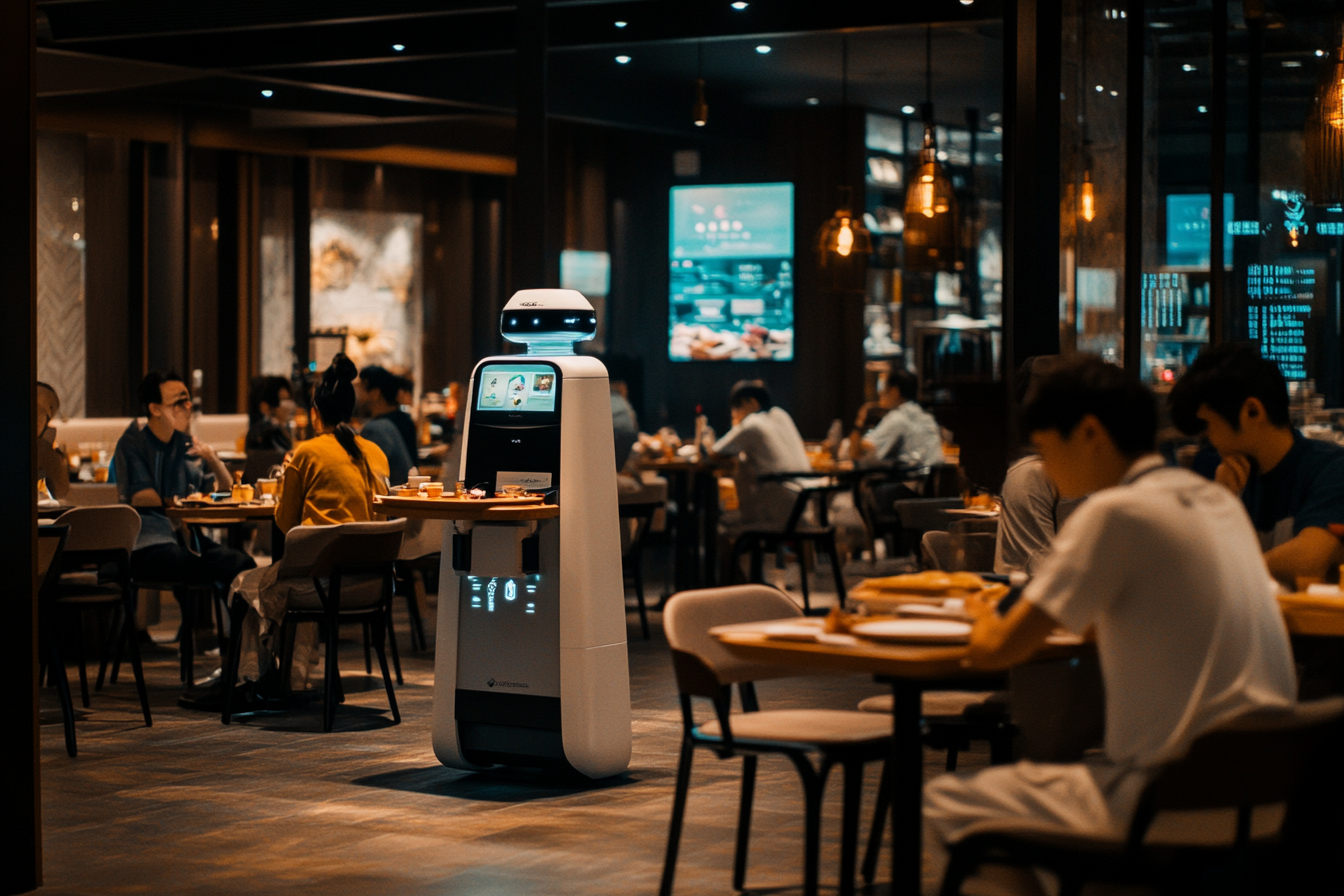
Technology no longer lives only behind the scenes. Trends in restaurant design increasingly reflect the integration of digital systems into physical spaces. Digital signage replaces static menus, smart lighting adapts to time of day, and interactive displays enhance brand storytelling.
In the kitchen, the evolution is even more pronounced. The advanced restaurant kitchen now includes connected ovens, automated prep tools, and kitchen display systems that replace handwritten tickets. These technologies improve consistency, reduce training time, and support faster service during peak hours.
Together, these technology trends in restaurants are influencing how new venues are designed from the ground up, blending aesthetics with operational intelligence.
Preparing for the Future of Restaurant Technology
Looking ahead, future restaurant technology will continue to focus on automation and friction reduction. Robotics and semi-automated systems are already being used for repetitive tasks like food prep and cleaning, helping restaurants cope with ongoing labor shortages.
Meanwhile, voice-assisted ordering and gesture-based kiosks are emerging as part of the broader shift toward hands-free, intuitive interactions. While still evolving, these tools point to how future technology restaurants will further streamline service without sacrificing experience.
Sustainability is another defining factor. Smart energy management systems track power usage in real time, helping operators cut costs while aligning with environmental expectations—an increasingly important aspect of current trends in the restaurant industry.
What Technological Trends Affect the Food Truck Industry?
The impact of technology is not limited to brick-and-mortar venues. What technological trends affect the food truck industry is a common question, and the answer lies in mobility-focused tools. Compact POS systems, GPS-based location analytics, and mobile ordering apps allow food truck operators to plan routes, reduce wait times, and build stronger brand visibility despite limited space.
These solutions demonstrate how adaptable the restaurant tech industry has become, serving businesses of every size and format.
Real-World Innovation: Call The Service in Action
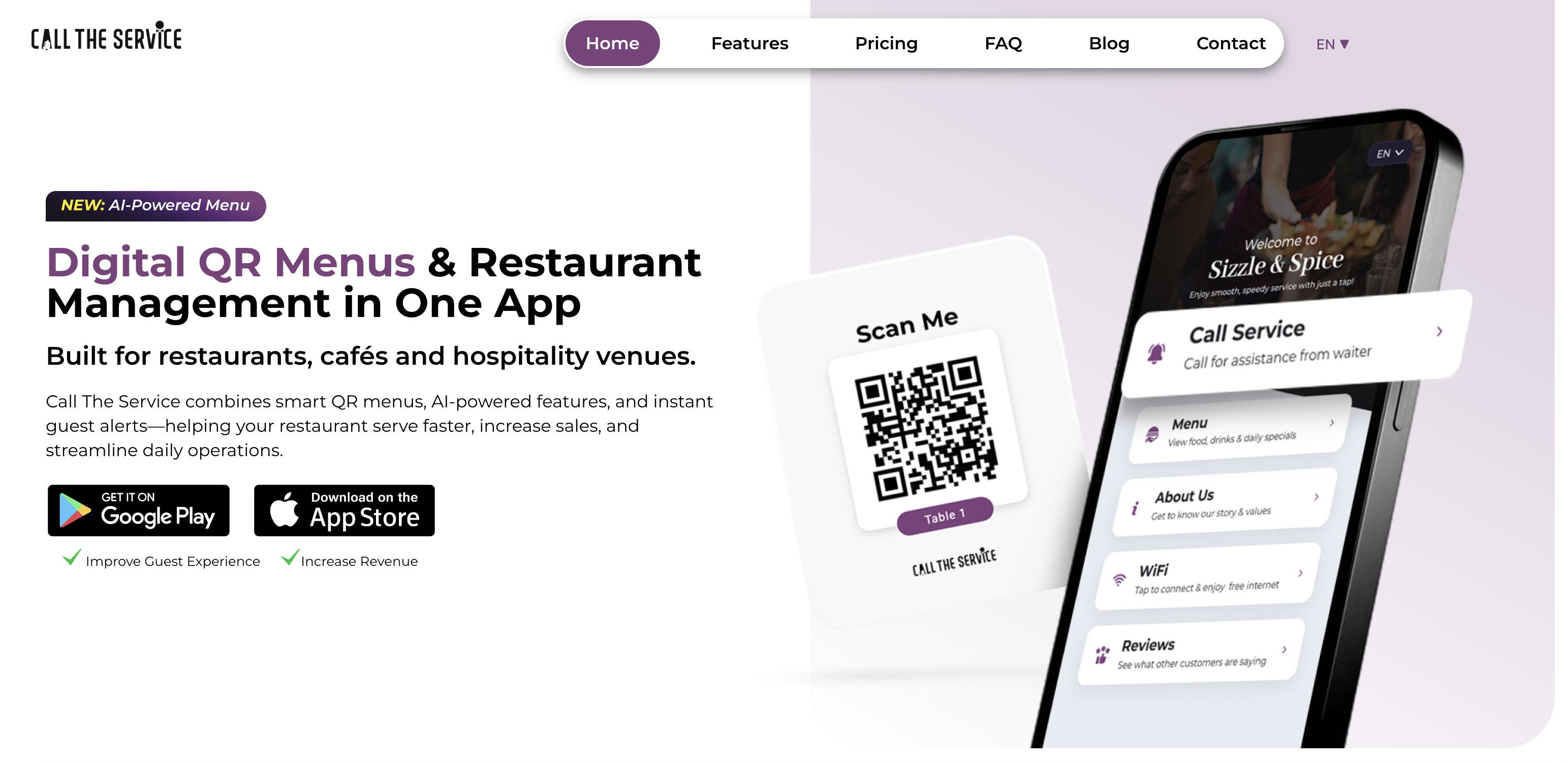
One example of how innovative restaurant technology is being applied today is Call The Service (CTS)—an all-in-one restaurant order and service management platform built to streamline operations and elevate the guest experience.
CTS enables restaurants, cafés, and beach clubs to replace manual workflows with smart, digital solutions. Guests access branded digital menus via QR code, place orders, call staff, or request the bill directly from their table, while teams manage service requests, tables, and staff assignments from a single dashboard.
With features like AI-generated menu images, multilingual menus, real-time guest feedback, and performance analytics, Call The Service helps operators reduce errors, improve response times, and gain actionable insights into service efficiency. The result is smoother operations, better staff performance, and a more seamless, modern dining experience for guests.