
Hospitality Trends 2026: Shaping the Future of Travel

The hospitality industry is undergoing a dramatic transformation as we approach 2026. As travel behaviors evolve, so do the expectations of travelers. Hospitality trends 2026 reveal a shift in how guests engage with hotels, focusing more on personalization, sustainability, and innovative technologies.

Intentional Travel: The Rise of the “Whycation”

In 2026, the hospitality sector will see the rise of “intentional travel,” where emotional motivations drive the decision-making process over traditional destination-based planning. The growing demand for meaningful experiences signals a seismic shift in hospitality trends 2026. Travelers are looking for deeper connections, whether through wellness, solitude, or shared moments with loved ones.

The Role of Artificial Intelligence in Hospitality

One of the most exciting hospitality trends 2026 is the integration of artificial intelligence (AI) into everyday operations. By 2026, AI will move from a peripheral tool to a core component of hotel management. AI-driven systems will handle everything from guest check-ins to predictive maintenance, ensuring that hotel operations are more seamless and efficient than ever.

AI for Personalized Guest Experiences

As the demand for personalized experiences increases, hotels will adopt AI to anticipate guest needs, providing services tailored to individual preferences. For example, AI will help manage guest room allocations and even streamline housekeeping schedules. These innovations will drive operational efficiency, reducing costs while improving guest satisfaction—a key factor in hospitality trends 2026.

Sustainability and Regenerative Hospitality

Another central element of the evolving hospitality landscape is sustainability. The shift towards regenerative hospitality will redefine the industry in 2026. Hotels are no longer just focusing on reducing their carbon footprint but are actively working to restore ecosystems and support local communities. Hospitality trends 2026 will see a rise in eco-friendly practices, such as waste valorization, sustainable sourcing, and waste-free operations.

Sustainable Practices Shaping Consumer Choice

Travelers in 2026 will place increasing value on staying in properties that have adopted these regenerative practices. Hotels that integrate local culture, use renewable energy, and minimize waste will be preferred by conscious consumers. Sustainability will no longer be a mere buzzword but a critical factor in how guests choose where to stay.

Hushpitality and Wellness-Focused Vacations

The demand for silent retreats and wellness-focused vacations is also one of the prominent hospitality trends 2026. With the increasing noise of modern life, more travelers are seeking out quiet, peaceful experiences to recharge. Hotels will cater to this demand by offering “hushpitality,” where silence is curated as a luxury amenity, with specialized retreats offering solitude and mindfulness opportunities.

Wellness as a Core Element of the Experience

This growing interest in emotional and mental well-being will also shape the food and beverage offerings at hotels. High-quality, locally sourced cuisine will become more than just a meal; it will be an experience. Hotels will focus on creating memorable dining experiences that reflect their brand’s identity and emphasize sustainability—an integral part of hospitality trends 2026.

The Digital Nomad and Remote Working Influence

The rise of the “digital nomad” and remote working will continue to influence hotel design and amenities in 2026. Hotels will increasingly cater to professionals who are working remotely, offering co-working spaces, high-speed internet, and quiet zones. This trend is reshaping the traditional hotel layout, as more properties adapt to the evolving needs of this mobile workforce.

Flexibility in Booking and Space Utilization

One significant aspect of this trend is the need for hotels to adapt to flexible booking and multi-purpose spaces. Many hotels will transform their lobbies and guest rooms into workspaces, offering everything from meeting rooms to comfortable, quiet areas for individual work. This adaptability will be key in keeping up with hospitality trends 2026, as guests look for flexibility in their accommodations.

Integrating Technology: Call The Service (CTS) as a New Hospitality Trend
hospitality trends 2026

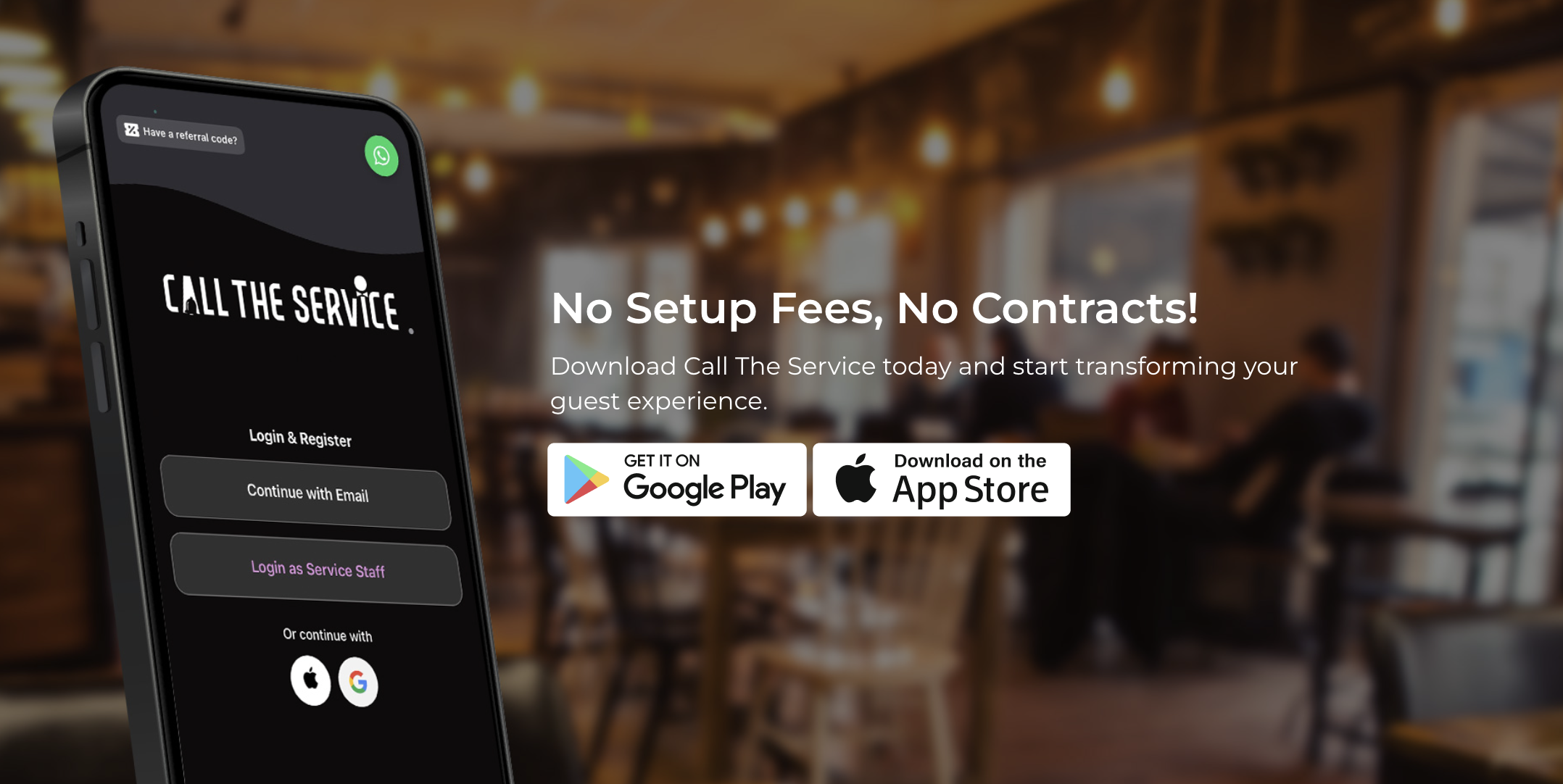
As hospitality trends 2026 continue to evolve, one app that stands out in transforming operations is Call The Service (CTS). This all-in-one restaurant order management app is helping establishments streamline operations, reduce waste, and enhance the dining experience, aligning perfectly with the growing demand for efficiency and personalization.

Key Features of Call The Service (CTS)

  • QR-based Guest Calls and Table Management: CTS simplifies the management of guest interactions by enabling quick and easy calls to staff via QR codes, reducing wait times and enhancing service efficiency.
  • AI-Generated Dish Images: The app automatically generates high-quality images of dishes, saving on photography costs while maintaining consistent, professional presentation.
  • Multilingual Menus: CTS automatically translates menus into over 100 languages, helping restaurants cater to a diverse, international clientele with ease.
  • Guest Rating Function: Real-time guest feedback collection enables restaurants and hotels to continuously monitor and improve service quality.
  • Efficiency Monitoring Dashboard: This feature tracks key metrics like call volume and staff performance, providing actionable insights to optimize operations and boost staff productivity.

How CTS Fits into the Trends of 2026

CTS is revolutionizing the restaurant and hospitality sectors by allowing for seamless table and staff management. With features like QR-based guest calls and real-time feedback collection, CTS helps restaurants respond faster to guest requests and optimize service, ensuring high satisfaction levels, an essential aspect of hospitality trends 2026.

In addition, the app offers AI-generated dish images, which save on food photography costs while maintaining a consistent presentation. As restaurants strive to provide a personalized experience, the multilingual menu feature helps cater to international guests by automatically translating menus into over 100 languages. This eliminates communication barriers and helps staff offer tailored service, an integral part of the guest-centric trends shaping the industry.

By adopting Call The Service (CTS), restaurants and hotels can stay ahead of the curve by embracing these innovative trends that prioritize technology, sustainability, and personalized guest services. As hospitality trends 2026 continue to emphasize these elements, CTS provides an invaluable tool for operators looking to improve efficiency, reduce operational costs, and enhance guest satisfaction.

Smart Rooms and IoT Integration

Technology will also play a major role in guest preferences by 2026. Contactless services such as mobile check-ins, digital keys, and in-room voice assistants will become the norm. As guests seek more convenience and less interaction, hotels will need to invest in cutting-edge technology that allows for smoother, more efficient experiences. This focus on tech-driven convenience is one of the defining hospitality trends 2026.

Automated Systems and Seamless Integration

Lastly, the shifting economic landscape will impact the hospitality sector in 2026. With rising interest rates and increased costs of living, hotels must find ways to balance quality service with cost-effectiveness. This financial pressure will lead to an increased reliance on automation and smart systems that reduce the need for human labor. However, this automation will not replace human interaction but will allow staff to focus on delivering more personalized, high-touch experiences for guests.

Conclusion: Adapting to Hospitality Trends 2026

As we look toward hospitality trends 2026, it’s clear that the industry will prioritize technology, sustainability, and personalization. By embracing these shifts, the hospitality sector will not only meet the expectations of travelers but exceed them, offering experiences that are both memorable and meaningful. The future of travel lies in understanding what drives guests emotionally and how to create spaces that reflect those needs.

In conclusion, hospitality trends 2026 will be defined by a convergence of technological advancement, environmental responsibility, and a deeper connection with travelers’ motivations. Those who can adapt to these changes will be the ones leading the way in a rapidly evolving industry.

As we approach 2026, the hospitality industry is undergoing a profound transformation. Hospitality trends 2026 highlight the shift towards personalized, sustainable travel experiences driven by technology, emotional connections, and wellness. From AI integration to the rise of intentional travel, discover how these trends are shaping the future of guest experiences and operational efficiency in hotels and restaurants.

Leave a Reply

Your email address will not be published. Required fields are marked *